Mumbai's 'Mini Varanasi' Banganga Tank To Host Maha Aarti On November 24; What's Special About This Place
· Free Press Journal
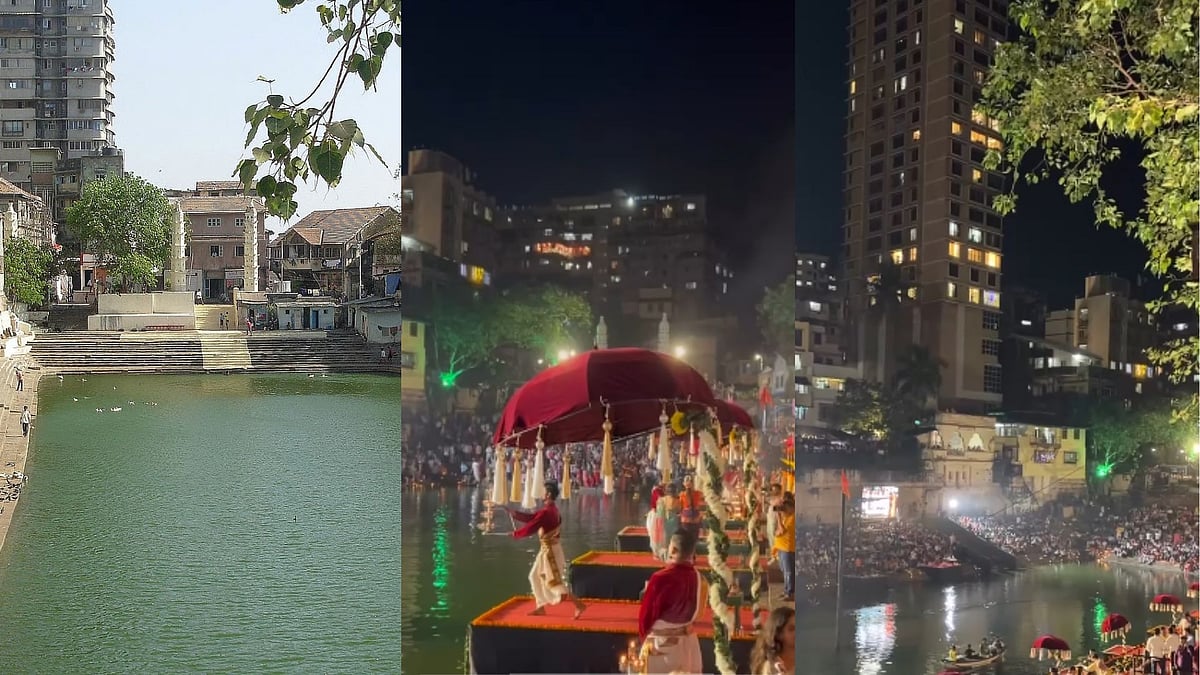
Banganga Tank is a historic freshwater stepped reservoir which is located within the Walkeshwar Temple complex on Malabar Hill in Mumbai. It was built in 1127 AD during the Silhara dynasty and rebuilt in 1715. It sits near the coast yet holds sweet water fed by an underground spring.
Visit palladian.co.za for more information.
The water tank is not the only attraction in this area; the Walkeshwar Temple, dedicated to Lord Shiva, draws a large number of visitors. This location has become a mini-pilgrimage site for the city's devotees. Surrounding the temple complex are smaller shrines, including one dedicated to Sage Parashurama, and dharamshalas. Here, many Hindus perform rituals to appease the gods and ancestors, and prasad is offered at temples. The site is set to host the Banganga Maha Aarti on Tuesday, November 24, 2026. Let's understand it in detail.
View this post on Instagram
Banganga Tank to host Maha Aarti
Mumbai's historic Banganga Tank, often referred to as the city's 'Mini Varanasi', is set to host the Banganga Maha Aarti on Tuesday, November 24, 2026, from 6:00 PM onwards, on the auspicious occasion of Tripurari Pournima. The religious event is expected to bring devotees together at one of the city's oldest and most significant heritage sites for an evening of prayers and spiritual rituals.
Banganga Tank is known for its religious significance, ancient temples and traditional architecture. Despite being surrounded by Mumbai's fast-paced urban landscape, the sacred water tank retains an old-world charm and continues to be an important pilgrimage destination.
Why is Banganga Tank called Mumbai's 'Mini Varanasi'?
Banganga Tank is often called Mumbai's 'Mini Varanasi' because of its cluster of ancient temples, sacred ghats and strong association with Hindu religious traditions. Much like Varanasi, the site has steps leading down to a sacred water body, where devotees gather to offer prayers and perform religious ceremonies.
Legend associated with Lord Rama
According to local legend, the tank is associated with Lord Rama. It is believed that when Lord Rama and his brother Lakshmana were searching for Sita Devi during their exile in the forest, Lord Rama shot an arrow into the ground when he arrived at the current location of Banganga Tank. As a result, a spring of water from Bhogawati, or underground Ganga, sprouted beneath the earth. Since the river was formed by the piercing of a ban (arrow), it was named Banganga.
The area around Banganga Tank gradually became a pilgrimage destination, with numerous temples and dharamshalas (religious rest houses) springing up. A narrow street lined with temples, homes, and dharamshalas flanks Banganga Tank.
History and significance of Banganga Tank
The present-day Banganga Tank is believed to have been built in 1127 AD by Lakshman Prabhu, a minister in the Silhara dynasty. It was later reconstructed in 1715 with the support of donations from the local community.
Mumbai–Varanasi Vande Bharat Sleeper Proposal Promises 16–18-Hour Journey, Cutting Travel Time By Upto 12 HoursHow to reach Banganga Tank
Visitors can go to Banganga Tank by going to Teen Batti on Malabar Hill. If you're taking a local train in Mumbai, the nearest stations on the Western Line are Charni Road and Grant Road, by driving via Netaji Subhash Chandra Bose Road and Walkeshwar Road, or by taking a local train/metro to Grant Road or Charni Road followed by a bus, taxi, or walk.