The Houthis Are the Future of Warfare
· The Atlantic
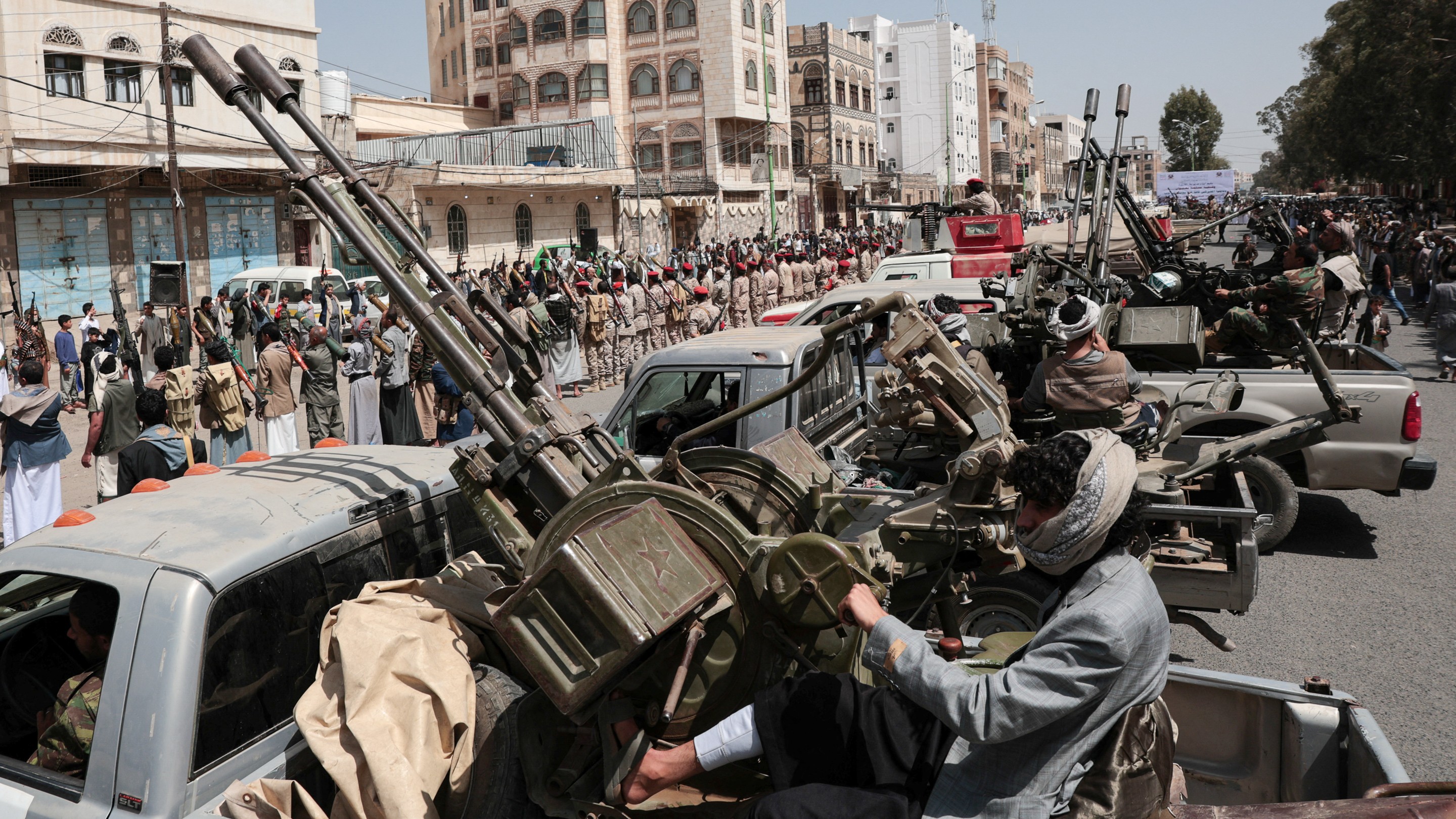
The ongoing war between Saudi Arabia and Houthi rebels in Yemen should be a mismatch. The Saudis possess some of the most advanced weaponry in the world, including hundreds of billions of dollars’ worth of high-tech systems, such as fighter jets, tanks, and missile interceptors, purchased from the United States and other Western countries. The Houthis are relatively poor and rely on much simpler artillery and drones, many of them homebuilt or cobbled together from imported components.
Visit rocore.sbs for more information.
Yet in recent months, the Houthis have gained the upper hand, and they now appear closer to achieving their strategic goals, which include gaining control of Yemen. Even more ominous—for the Saudis and perhaps the rest of the world—the Houthis are demonstrating that they are not simply an Iran-backed proxy, but a strategic and ruthless force capable of exploiting the resources they have to maximize damage.
What the Houthis are doing to the Saudis is not unlike what the Ukrainians have been doing to the Russians. In a strategic shift with global implications, underdog militaries are putting much larger powers, with far more sophisticated and expensive weapons, on the defensive.
Early reports in July and August, when the Houthis first renewed hostilities with Yemen and Saudi Arabia, presumed that the Houthis were using weapons from Tehran and acting in Iran’s interests. Although some of the munitions in question had indeed come from Iran—or perhaps China, a backer of the Iranian government—the Houthis have a history of adapting weapons to better suit their own needs, such as converting sea drones to run on hydrogen, which extends their range.
[Robert F. Worth: Fighting a radical militia was not part of the plan]
Last month, though, a group called Conflict Armament Research, which reports on the use of weapons in conflict zones, found that the Houthis were attempting to use Chinese components to build a whole new class of medium-range ballistic missiles. There are also reports that the Houthis may be using AI to refine their weapons’ software and diversify the supply chains they use to obtain materials.
Armed with these homemade weapons, the Houthis have put Saudi Arabia, which is still overly reliant on the United States, in a dangerous position. They have spent the past three months attacking some of the kingdom’s most important economic infrastructure. This has included the country’s primary crude-oil pipeline, Riyadh’s main airport, and the headquarters of Saudi Aramco, the state-owned company responsible for creating Saudi Arabia’s immense oil wealth. The Houthis have also adopted more effective tactics for carrying out these missions, including using drones to distract and divert Saudi air defenses and then launching ballistic missiles, which are harder to intercept.
In response, the Saudis have launched investigations, but the main problem may simply be one of cost. The Saudis have constructed a military that relies on the eye-wateringly expensive systems that it buys from the United States. This means that the country is wary of running through its stockpiles of advanced missile interceptors, which the Saudis are unable to make for themselves and promise to take too much time and money to replace. The Saudis are essentially operating at the mercy of another state, and they will be unable to defend themselves in the long run if that other state (in this case, a very unreliable United States) does not give them what they need.
The Houthis, however, are becoming more self-sufficient and using their experiences to generate better weapons. As long as the Houthis maintain this capability, they will never be fully beaten. Even if they deplete their arsenal and stop firing for a while (which they have done at intervals throughout this war), they can always restock.
Things have become so difficult for the Saudis, The Wall Street Journal reported earlier this month, that the kingdom asked the Houthis how much money they would need to negotiate an end to the attacks. The Houthis came back with a sum that made clear that they had no interest in talks: $51 billion. That the Saudis asked the question at all highlights their strategic predicament. They are now preparing for the war to last well into next year.
[Phillips Payson O’Brien: Fighter jets are passé]
Major powers are watching these events with some alarm. With their relatively cheap and largely homegrown weapons and systems, the Houthis are not only holding their own against a larger, wealthier, and presumably more potent power, but also are gaining an advantage.
Other countries should take note. The future of warfare is probably exemplified not in America’s costly bombing campaign in Iran, but in the Houthis’ unrelenting, cost-effective assault on Saudi Arabia. What this means for America’s enormous military–industrial complex is plain: Any country that spends too much time and money chasing the most advanced and expensive war-fighting technology will struggle against one that can create agile armaments on the cheap. If the U.S. fails to speed up production of less complicated, less expensive systems, the country could well find itself in Saudi Arabia’s position.