Taj Mahal Marble Slab Taken By East India Company Officer To Be Auctioned In UK; What's Special About It?
· Free Press Journal
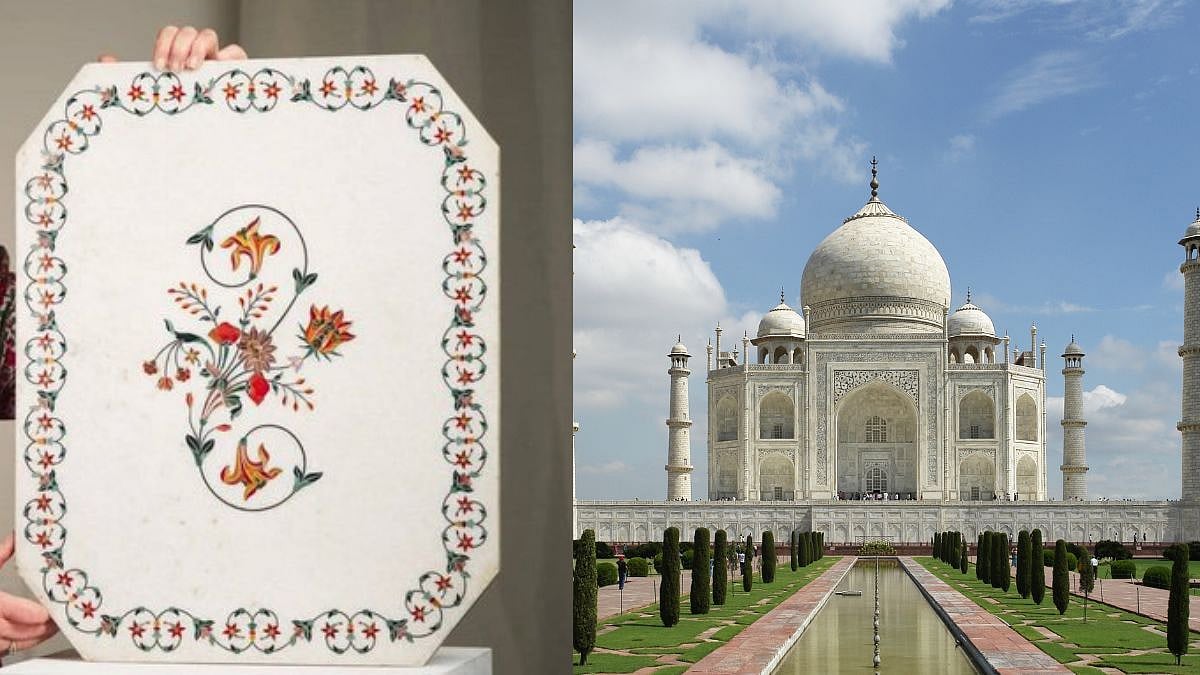
A rare piece of India's Mughal-era heritage is set to go under the hammer in the United Kingdom on December 9, 2026. A marble slab reportedly taken from the iconic Taj Mahal by an East India Company officer is scheduled to be auctioned, bringing renewed attention to the monument's extraordinary craftsmanship and the history of colonial-era acquisitions. The artefact carries a history spanning two centuries and has links to colonial-era India.
"From the intricate marble inlay from the Taj Mahal to personal treasures preserved for over two centuries, a remarkable group of works offers a fascinating glimpse into life in early 19th-century India," the auction house wrote in an Instagram post.
Visit goldparty.lat for more information.
Stolen, Hoarded, and Now Auctioned: #Britain Is Still Cashing In on Looted #Indian Heritage
— Mahalaxmi Ramanathan (@MahalaxmiRaman) November 28, 2026
A piece of the #TajMahal, stripped away by a British colonial officer, is being put up for sale in #London.
In 1816, East India Company official Colonel Pownoll Phipps took this… pic.twitter.com/I79X4fJ9Mr
What's Special About the Marble Slab?
The Taj Mahal is famous for its elaborate decorative techniques, particularly pietra dura, an intricate form of stone inlay in which carefully cut pieces of semi-precious stones are embedded in marble to create floral patterns and other decorative designs.
According to the auction notes, the marble slab is accompanied by a vintage black-and-white photograph of the Taj Mahal and two letters, one printed by the grandson of Colonel Pownoll and the other handwritten by the Marquess of Bath.
The monument's marble surfaces feature detailed floral motifs, geometric patterns and calligraphic inscriptions, reflecting the artistic excellence of Mughal-era craftsmen.
A marble fragment associated with the monument is, therefore, more than just a piece of stone. It represents the architectural and artistic legacy of the Mughal period.
Monkey Menace At Taj Mahal: Tourists Face Safety Concerns As Troops Of Monkeys Take Over Monument - WATCHHow Did It Reach the UK?
The slab's reported connection to an East India Company officer adds another historical dimension to the auction. During British colonial rule, several Indian artefacts, sculptures and historical objects were transported to Britain through private collections and other acquisitions.
Over time, many such objects became part of private collections and auction markets in the UK and elsewhere.
Level up your brain the fun way. Play daily games and quizzes on FPJ Smart!