Sanral procurement chief and two managers fail to get suspensions set aside
· Citizen
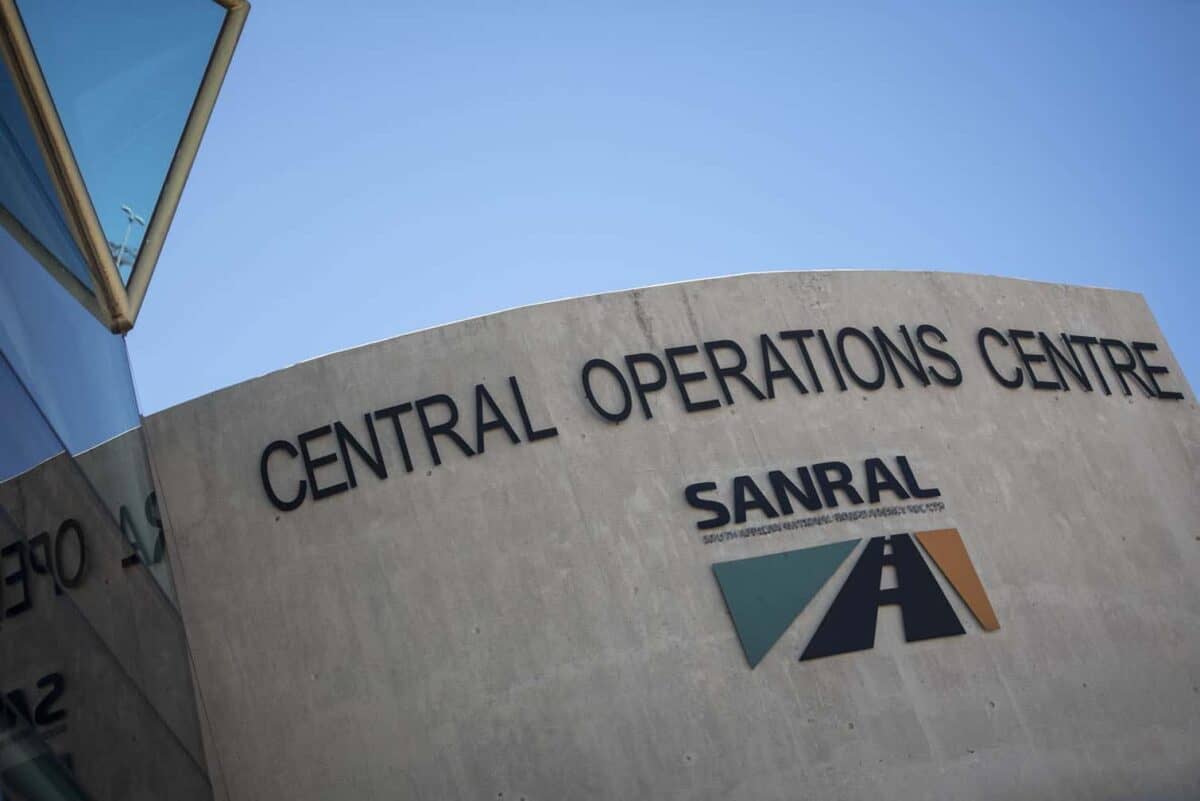
An urgent Labour Court application by South African National Roads Agency (Sanral) chief procurement officer Khomotso Mhelembe and two general managers – Maupi Mahlo and Vukani Ndaba – declaring their suspensions unlawful, irrational and invalid has failed.
The three were also unsuccessful with an application to review and set aside the decision to suspend them and to permit them to return to their normal duties at Sanral, and interdicting the roads agency from harassing, interfering or victimising the three applicants while performing their duties.
Visit umafrika.club for more information.
An anonymous source provided Moneyweb with a copy of the judgment, which was undated but apparently handed down on 4 September.
Mhelembe, Mahlo and Ndaba occupy senior positions within Sanral’s supply chain management department and were placed on precautionary suspension by the Sanral board on 29 April pending further disciplinary action.
Sanral previously confirmed to Moneyweb that Mhelembe and Sanral’s chief audit officer Zolisa Zwakala were placed on “precautionary suspension pending internal processes” effective from 27 October 2025, but stressed at the time that the suspensions were “precautionary in nature and no adverse findings have been made against them [Mhelembe and Zwakala] pending such process”.
The roads agency subsequently confirmed to Moneyweb on 19 November 2025 that the precautionary suspension of Mhelembe and Zwakala had been lifted but declined to provide reasons for the lifting of their suspensions.
Investigation into irregularities
Acting Labour Court Judge Mark Futcher said in his judgment the suspensions of Mhelembe, Mahlo and Ndaba came within the context of an investigation conducted by ENS Africa under the instructions of Sanral into various irregularities within the agency.
Futcher said interviews had been scheduled by ENS Africa during the early part of March 2026 with the applicants as part of this investigation but Sanral claimed they refused and/or failed to participate in these interviews and were suspended for this failure.
He quoted from their suspension letter, stating among other things:
“On the 29th of January 2026, the board resolved to commission an investigation into and legal advice on the commission or omission, by all relevant parties, relating to the implementation of RRM [routine road maintenance] Extension Resolution.
“Notwithstanding repeated instructions from the Chief Executive Officer (CEO) and the Acting CEO to attend interviews in order to lend your assistance to the RRM Extension investigations and in order to comply with your duties to Sanral, you have repeatedly and/or defiantly failed and/or refused to do so.”
Following a judgment handed down in July 2026, Sanral announced it was abandoning its panel system for procuring services from contractors for RRM and engineering consultants and reverting back to using the open tender process it used in the past.
The judgment referred to procurement lapses and breaches in the RRM tender.
It said outgoing Sanral CEO Reginald Demana confirmed there was a dispute within Sanral’s supply chain management and instructed a firm of attorneys to conduct an investigation on matters related to the RRM.
He said this included establishing whether certain employees might have failed, intervened or obstructed the implementation of a board decision related to the extension of the RRM contract.
‘Urgency’
Futcher said Mhelembe, Mahlo and Ndaba in essence relied on two grounds for urgency.
He said the first was that the supply chain management department requires them to perform their functions, which are integral to the functioning of that department, and secondly that being placed on precautionary suspension infringes their reputation and therefore the suspensions are “punitive rather than precautionary”.
Futcher said it was important to note that the applicants had been suspended on full remuneration and benefits and therefore suffer no financial prejudice as a result of their suspension.
He said it also seems improbable the removal of the applicants from Sanral’s supply chain management department will somehow lead to the inability of that department to function properly or at all.
He added that whatever prejudice may be suffered by the applicants as a result of their exclusion from their ordinary duties, is a matter easily addressed by them in the disciplinary proceedings to follow.
“If vindicated of all and any allegations against them, the restoration of their ordinary working duties resolves such prejudice, be it at a later date,” he said.
Futcher said in considering the validity of the suspension, it is important to consider the authority of the CEO in suspending the applicants in the manner so undertaken.
CEO’s authority
He said the contention the CEO lacked authority to place the applicants on suspension was denied by Sanral and the other respondents, which included then Sanral CEO Demana, the minister of transport, members of Sanral’s board, National Treasury and the auditor-general.
Futcher said this denial was not disputed in reply by the applicants.
“In such circumstances, it must be accepted the CEO did indeed have the powers to effect the suspensions and accordingly, such suspensions cannot be determined to be invalid.”
Futcher said this court was referred to repeated assertions made by the applicants in their pleadings in respect of the fairness or otherwise of the suspensions.
He said it is patently apparent from a previous judgment that a complaint relating to the unfairness of a suspension would constitute an unfair labour practice and would be of such a nature that it ought to be adjudicated by the Commission for Conciliation, Mediation and Arbitration (CCMA) and/or relevant bargaining council within the context of the unfair labour practice jurisdiction conferred in terms of the Labour Relations Act.
Futcher said that where the Labour Court lacks jurisdiction because either the CCMA or relevant bargaining council has jurisdiction, in terms of its overriding unfair labour practice jurisdiction or because the claim is based on the unlawfulness of the suspension, “this court does not have the power to declare the suspensions to be of no force or effect nor does this court have the power to set aside such suspensions or to direct the first and second respondents [Sanral and Demana] to permit the applicants to resume their duties”.
He said the Labour Court is similarly not in a position and it is not necessary for this court to consider the submissions made concerning the interdicting of harassment and interfering with the applicants following their return to work.
Futcher said the applicants raised the Protected Disclosures Act (PDA) and the potential breach of this act in their heads of argument.
But he said the applicants have not pleaded the referral of a dispute about an occupational detriment to conciliation in terms of the PDA, nor that the matter remained unresolved thereafter and that this forms the basis of any relief to be sought before this court.
“In the circumstances, any reliance on the Protected Disclosure Act, as relied on by the applicants, stands to fail,” he said.
This article was republished from Moneyweb. Read the original here.