Phumzile Mlambo-Ngcuka: A life dedicated to democracy, women and peace
· Citizen
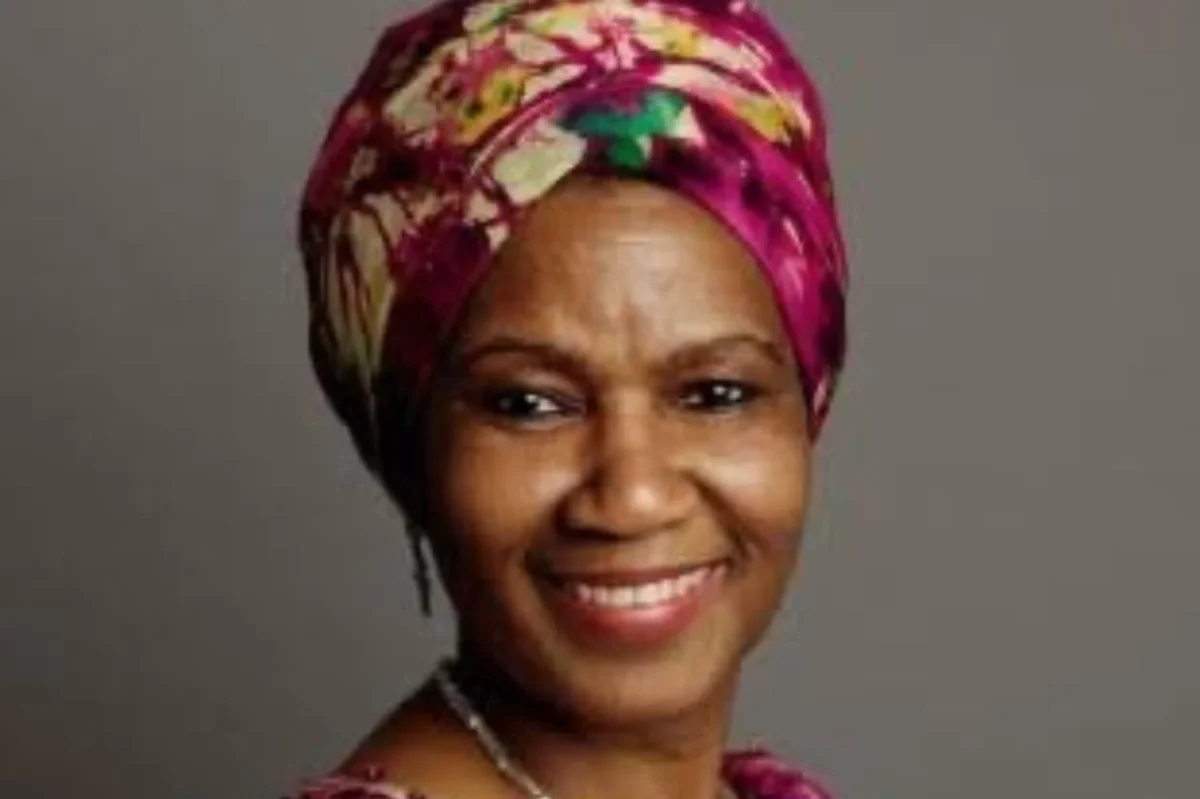
Phumzile Mlambo-Ngcuka, who died on Friday at the age of 71, following complications from a medical procedure she had about two weeks earlier, was born into a country that had already decided what she could not be.
By the time she reached adulthood, the state had imprisoned, banned and slaughtered its way through a generation and the movement she joined was driven underground and into exile.
Visit amunra-online.pl for more information.
Everything she later became – MP, minister, deputy president, under-secretary-general of the United Nations, was built on the unfashionable conviction that a country can be argued out of its own delusions.
She entered the first democratic parliament in 1994, at the moment when the promise was largest and the machinery thinnest.
Two years later, she was trade and industry minister. In 1999 she took the minerals and energy portfolio – the department at the centre of the South African economy and its most entrenched interests. She held it for six years.
In June 2005, she was appointed deputy president of SA, the first woman to hold that office.
She made it a platform for the poor, with a focus on women: programmes to combat poverty and to carry the advantages of a growing economy to the people who had previously been excluded.
She served until September 2008, when the recall that ended the Mbeki administration ended her term with it.
Her resignation as deputy president in September 2008 was not simply the administrative consequence of a change of government. It was a significant political moment in the aftermath of the ANC’s decision to recall then president Thabo Mbeki.
She resigned after Mbeki’s departure. Her spokesperson cited personal reasons and her desire to give the incoming president the opportunity to appoint his own deputy president.
In March 2009, she joined the Congress of the People (Cope), the political movement that emerged from the divisions within the ANC after Mbeki’s recall. Her association with Cope placed her among those who were prepared to take a different political path during one of the most consequential periods in the history of the governing movement. She subsequently returned to the ANC.
In an interview with the SABC, she said although she had joined Cope and attended meetings, her heart had always remained with the ANC.
That episode helps explain the political independence and complexity of a woman whose career cannot be understood through titles and appointments alone.
She had been prepared to take a different political path, even at the cost of leaving a movement in which she had occupied one of the country’s highest offices.
In August 2013, she became executive director of UN Women and under-secretary-general of the UN, sworn in on 19 August by then UN secretary-general Ban Ki Moon.
She held the post for eight years until August 2021 – the longest tenure of any head of that entity, during a period in which the global rollback on women’s rights was not a prediction but a programme.
She spoke about women as economic actors, as negotiators, as the majority of the world’s poor and the majority of its unpaid caregivers; about the difference between inviting women to the table and handing them the agenda.
She carried the language of the South African transition – non-racialism, redress, the constitutional promise – into a global institution that had grown weary of the subject.
In October 2022, the chair of the African Union Commission, Moussa Faki Mahamat, appointed former Kenyan president Uhuru Kenyatta and Mlambo-Ngcuka to join the AU High Representative for the Horn of Africa, Olusegun Obasanjo, in moving the peace process forward in the war in Ethiopia’s Tigray region.
A South African woman, whose own country was brought to a negotiated settlement by mediators, sat on the panel that produced the first cessation of hostilities in a war that had defeated the region’s diplomacy for two years.
SA’s transition is the country’s principal export to the craft of peace and she had spent a lifetime in it – in the movement, at the UN – and finally in the room where two delegations signed.
Mlambo-Ngcuka carried the democratic dream out of a country that had almost been denied one, set it down in New York, Addis Ababa and, finally in Pretoria.
The dream didn’t become small, it became useful – Pinda is founder of African Heritage News Network.