Political parties enter crunch week of coalition, as expert fires off warning
· Citizen
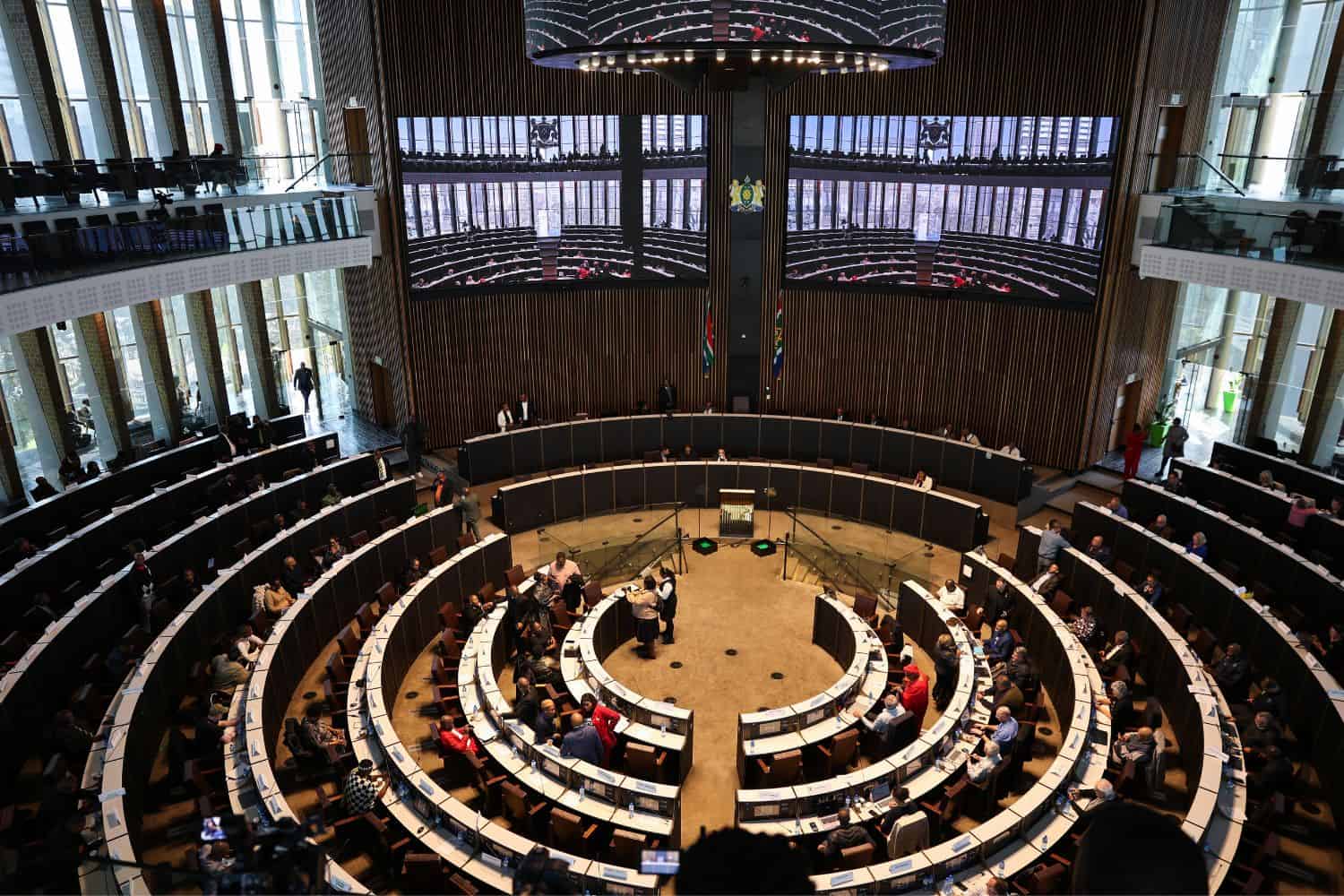
Political parties will finalise all the horse-trading and drafting of coalition arrangements this week.
Under current legislation, councils have 14 days to meet and choose office-bearers after their council’s election results have been declared by the Electoral Commission of South Africa (IEC).
Visit newssport.cv for more information.
Because dozens of councils were hung after the Local Government Elections, coalitions will need to be formed for councils to govern.
Parties have already begun initial engagements and are expected to reach decisive deals this week.
Negotiation week
Political analyst Theo Neethling told The Citizen that it may be a race against time to put personal feelings aside to form local governments.
“The question is whether South Africa’s political parties will succeed, within the remaining days, in reaching an agreement in principle on coalitions.
“While agreements in certain municipalities are certainly possible, it remains uncertain whether a comprehensive and sustainable arrangement can be reached in time,” said Neethling.
He said the challenge lies not merely in securing the necessary numbers, but also in navigating ideological differences, personal clashes, and competition for political positions.
“The ANC’s internal divisions regarding cooperation with the DA, in particular, complicate the situation. Personalities and related conflicting interests concerning mayoral candidates often appear to play a role almost as significant as policy differences.”
A warning
He said there is a risk that parties may prioritise their own power positions and internal political interests over the need for stable municipal governance as they negotiate.
“Although there is pressure to reach an agreement quickly, hasty arrangements based primarily on the distribution of political posts could, in fact, lead to further conflict and instability,” he said.
Neethling said a broader issue is that the 14-day timeframe for convening the first council meetings is likely too short for the complex negotiations required to form coalitions.
“It is important to distinguish between the deadline for the first council meeting and an absolute deadline for coalition agreements, as negotiations may continue beyond that point,” he said.
He said the statutory timeframe should be reconsidered – potentially by extending it to 30 days.
“Ultimately, it is not merely about how quickly coalitions are formed, but about how sustainable they are. This requires political maturity, a willingness to compromise, and a clear commitment to service delivery,” he said.
DA coalitions document
The DA has meanwhile released a document outlining its principles going into the coalition negotiations.
This document outlines the core values, governance principles, and shared policy priorities the DA seeks to discuss with political partners following the 4 November 2026 elections.
According to the document, the DA’s core governance principles include zero tolerance for corruption; professional, merit-based appointments to the administration; strict supervision between party and state; accountability, transparency and responsiveness; non-racialism and creating opportunities for all; and negotiating in good faith and respect.
The party’s leader, Geordin Hill-Lewis, told Talk Radio 702 on Monday that the party expects to get into the details of the negotiations with political parties this week.
He said the DA met the ANC on Sunday and was involved in a three-hour coalition meeting.
“It is still relatively early days. I know that the clock is ticking, but this is going to be a crucial week where we start to move beyond the initial icebreaker discussions and into some detailed discussions,” he said.