India Becomes Second-Largest Buyer Of Russian Fossil Fuels In October With €6.4 Billion Imports
· Free Press Journal
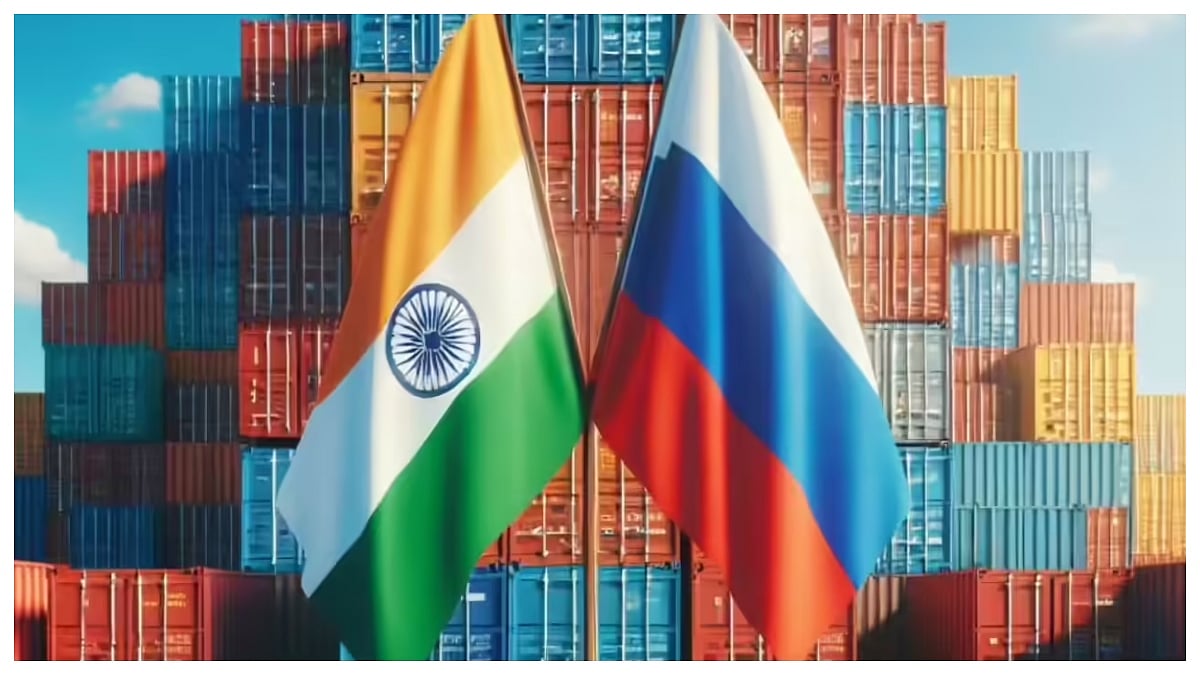
India emerged as the world's second-largest purchaser of Russian fossil fuels in October, importing hydrocarbons worth €6.4 billion, according to the Centre for Research on Energy and Clean Air (CREA).
The figure marked India's highest monthly purchase value since CREA began tracking the data in January 2022.
Visit solvita.blog for more information.
Crude oil dominated imports at €5.8 billion, accounting for 91% of the total. Coal purchases stood at €333 million, while petroleum products contributed €232 million.
Bharat Petroleum Buys 1 Million Barrels Of US Crude Oil As High Freight Costs Make Russian Oil Less AttractiveRussian Crude Imports Rise At Major Indian Refineries
India's Russian crude imports increased 10% from September, driven by higher purchases at its major importing refineries.
Imports rose 12% at Vadinar, 22% at Jamnagar and 28% at Paradip.
Jamnagar consequently became the largest importer of seaborne Russian crude during October.
Meanwhile, refineries in India, Turkiye and Brunei processing Russian oil exported petroleum products worth €1.6 billion to countries imposing sanctions on Moscow.
These destinations included the European Union, Australia, the US and New Zealand.
Of the 12 shipments reaching European Union ports, 10 originated from Jamnagar and two from Turkiye's STAR refinery.
CREA estimated that products worth €389 million were manufactured using Russian crude.
Export volumes from these refineries to sanctioning countries increased 21% month-on-month.
Higher Oil Prices Boost Russia's Export Earnings
China remained Russia's largest fossil fuel customer, purchasing €10.7 billion worth of hydrocarbons.
The European Union followed India with €2.2 billion in purchases, ahead of Turkiye at €1.1 billion and South Korea at €488 million.
Russia's daily fossil fuel export earnings increased 14% to €754 million, their highest monthly level since December 2022.
Crude oil revenues rose 19% to €449 million per day, supported by stronger international prices.
Russian Urals crude averaged $101.70 per barrel, exceeding the reported EU-UK price cap of $44.10.
CREA attributed the increase partly to energy market disruptions surrounding the Strait of Hormuz.
The report also found that sanctioned shadow tankers transported 60% of Russia's seaborne oil.
CREA estimated that a fully enforced $30-per-barrel crude price cap could have reduced Russia's October seaborne crude earnings by 21%, equivalent to €2.2 billion.