Pakistan-Proposed Tehran Meeting Brings Together Iran, Saudi Arabia & Turkiye For Regional Security Discussions
· Free Press Journal
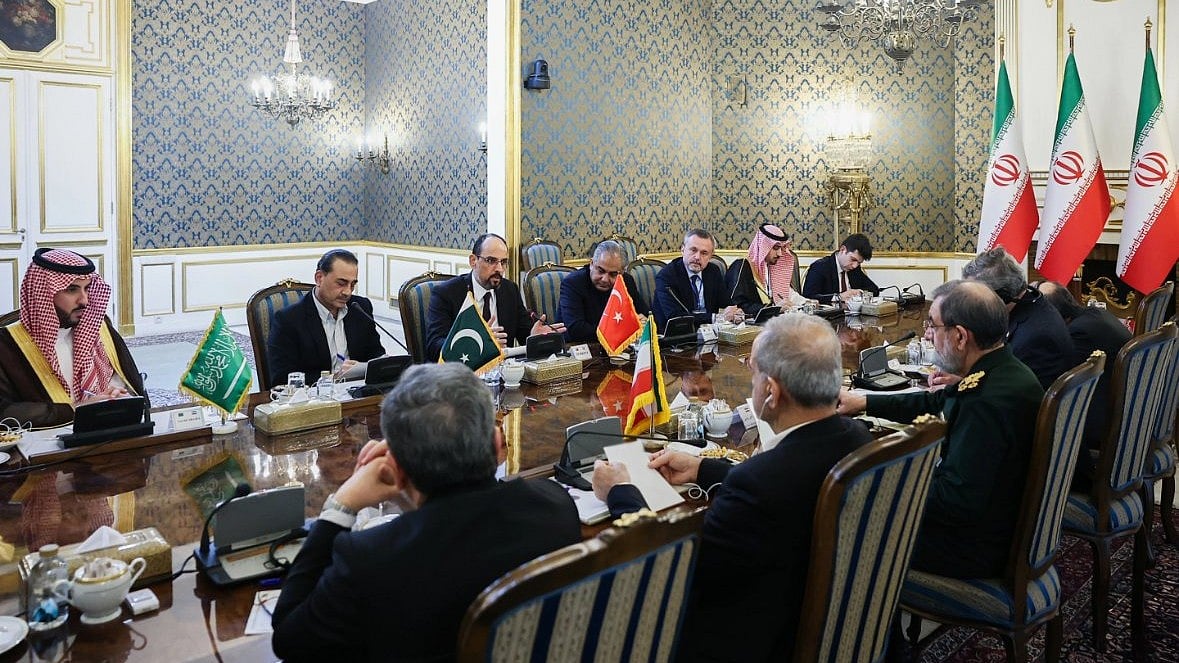
Islamabad, Oct 26: Top defence officials from Saudi Arabia, Turkiye and Pakistan on Monday jointly met Iran's Supreme National Security Council's Secretary Mohsen Rezaei in Tehran to discuss the regional situation, amid escalating tensions in the region.
Visit grenadier.co.za for more information.
Saudi Defence Minister Prince Khalid bin Salman, Turkish intelligence chief Ibrahim Kalin and Pakistan's Army Chief Field Marshal Asim Munir jointly met Major General Rezaei, who was accompanied by Foreign Minister Abbas Araghchi, Iran's state-run Press TV reported.
"The talks will focus on regional security, the fallout from military aggression, and support for Palestine and Lebanon," the channel said.
BreakingMecca pact-Iran meeting concludes in Tehran, state media reportsIranian president calls for Muslim nation unity against US-Israeli ‘aggression’Pakistan’s military chief meets Iran’s political and military leaders https://t.co/kTwWpxluEt
— Shakeel Yasar Ullah (@yasarullah) October 26, 2026
Quadrilateral Meeting Amid Regional Tensions
The quadrilateral meeting comes amid fears that escalating tensions in the region could draw more countries into the fighting. The meeting also comes amid raging tensions between Saudi Arabia and Yemen's Houthis in recent weeks, with the Iran-backed group claiming attacks on Saudi airports, oil facilities and military sites. Saudi Arabia has reported intercepting missiles and drones targeting the kingdom.
Iran’s state broadcaster IRIB shared a video of the meeting, saying the quadrilateral meeting on “regional security and stability” had begun.
The video showed Field Marshal Munir and Interior Minister Mohsin Naqvi sitting with Rezaei, Araghchi, Prince Khalid and Kalin.
This is Munir's second trip to Tehran within a week, amid indications that the US might be preparing for another round of fighting with Iran.
Pakistan Proposed Regional Security Talks
According to the Supreme National Security Council's Deputy Secretary Ali Bagheri, the quadrilateral meeting was proposed by Pakistan.
Hours earlier, Bagheri had said that "senior officials from Saudi Arabia, Pakistan, and Turkiye will travel to Tehran as part of efforts to implement the idea of endogenous security in West Asia.”
Pakistan, Saudi Arabia and Turkiye are part of the Makkah Joint Defence agreement signed in August. According to the pact, any attack on one of the three countries would be treated as an attack against all.
The high-level meeting comes days after the Pakistan Army chief met Iranian President Masoud Pezeshkian, Parliament Speaker Mohammad Bagher Ghalibaf and Rezaei in Tehran.
Iran Advocates Regional Security Cooperation
"The purpose of these senior officials’ trip is consultation with Major General Mohsen Rezaei regarding regional security," Bagheri said.
"All three countries attending this meeting, along with Iran, can take an effective step toward creating endogenous security within the framework of Iran's effective idea for regional security-building with the participation of regional actors, drawing on Iran’s successful experience in national security-building," Bagheri was quoted as saying by the state-run IRNA news agency.
Also Watch:
Saudi Arabia Emphasises Diplomatic Solutions
Saudi Deputy Minister for Public Diplomacy Rayed Krimly earlier described the meeting as “part of the continued efforts by the Makkah Defence Alliance members for de-escalation between parties involved in the ongoing crisis, and promoting dialogue and diplomatic solutions, in support of the mediation efforts carried out by Qatar and Pakistan”.
"The visit underscores the pivotal role of Makkah Defence Alliance members in reinforcing regional security and stability, and working with all countries in the region to achieve that goal,” he said in a post on X.
Iran Raises Regional Security Concerns
In Tehran, Iran’s Foreign Ministry Spokesperson Esmaeil Baqaei earlier said that the meeting with officials from the three countries would cover “most pressing issues threatening our region”, which included Israel’s expansionist policies, developments in Palestine and Lebanon.
He also said that the topic of “top priority on the agenda would be consequences of the US-Israeli aggression against Iran and its ramifications for the entire region”.
US Orders Non-Emergency Personnel To Leave Saudi Arabia After Houthi Missile & Drone Attacks On AirportsIslamabad Agreement And Diplomatic Engagements
The US and Iran signed the Islamabad MoU in June to restore peace in West Asia, advance negotiations on regional security and other contentious issues. The deal ended the conflict that began on February 28 and continued till April 8, when the ceasefire was agreed, followed by talks mediated by Pakistan.
Field Marshal Munir and Interior Minister Naqvi have made multiple trips to Tehran as part of Islamabad's efforts to de-escalate tensions in the region. Munir's last visit to Tehran coincided with US Defence Secretary Pete Hegseth's unannounced trip to West Asia.
Also Watch:
Iran's Nuclear Position And Russian Engagement
During his meeting with Munir last week, Rezaei told the Pakistani army chief that all enriched nuclear materials will remain in Iran as a national asset, stressing that no negotiations with the US will take place until Washington builds trust by meeting Iran’s conditions, according to the channel.
Also, Russian Foreign Minister Sergei Lavrov last week travelled to Tehran, where he met Iranian leaders and discussed everything from Europe to West Asia, including Lebanon, Palestine, Ukraine and Yemen.
(Except for the headline, this article has not been edited by FPJ's editorial team and is auto-generated from an agency feed.)