Paris protests: What it could mean for SA
· Citizen
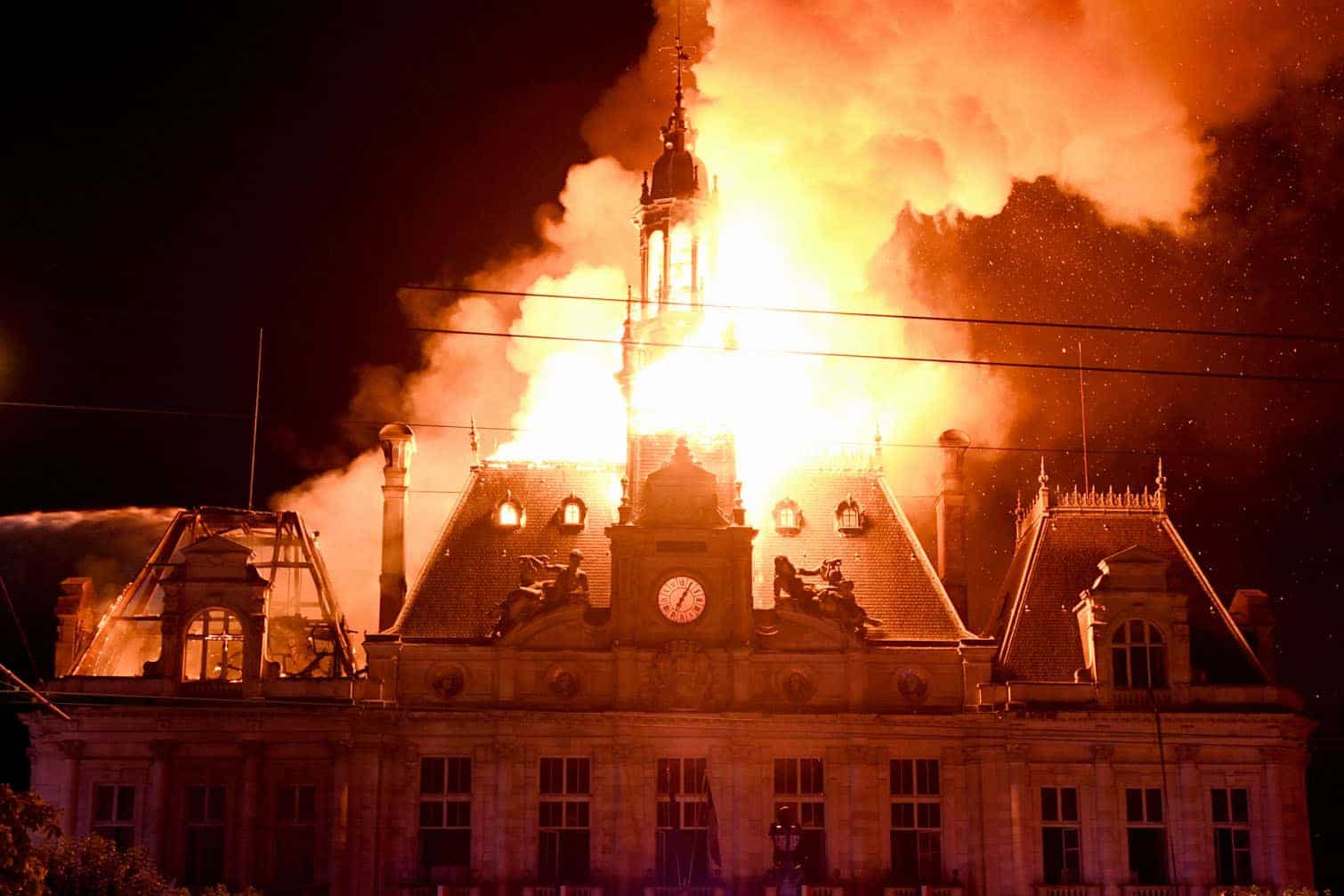
As citizens take to the streets in protest from Paris and Milan to Lisbon and Tirana over soaring living costs, a fiery global message is echoing across borders: when economic pressure mounts and people feel unheard, frustration quickly boils over.
Visit bettingx.club for more information.
With South Africa’s local government elections approaching on 4 November 2026, analysts warn that these international developments cannot be dismissed as distant news.
Pushed to the brink by sluggish economic growth, rising fuel prices and collapsing municipal services, South Africa faces its own volatile mix of economic strain and pre-electoral tension.
The student spark and the cost-of-living crisis
France’s September protests began with high school students demanding better-resourced schools near Paris, before snowballing into nationwide demonstrations against inflation and fuel costs. Similar affordability protests have since gripped Italy, Portugal and Albania.
Professor Ntsikelelo Breakfast notes that global supply chain disruptions, particularly from the war in Ukraine, have driven up oil and food prices worldwide. Locally, this translates into severe domestic pressure. “Interest rates have gone up already, which has impacted the money we pay each month for cars, bonds and so on,” he explains.
Chris Hattingh, executive director at the Centre for Risk Analysis, warns that narrow grievances can quickly escalate when citizens already feel ignored. “South Africa has the same ingredients,” he says, pointing to rising diesel costs, interest rate hikes and stagnant GDP per capita. “The first warning signs will appear in municipalities, where people see failures every day.”
Ballots versus streets
Because France’s protests were galvanised by students, attention naturally turns to South Africa’s rich history of youth-led resistance, from Sharpeville and Soweto to #FeesMustFall.
Yet analysts are divided on how today’s youth will channel their frustration. Breakfast argues that youth participation signals a rejection of apathy: “If protests are led by the youth, it means young people are not politically apathetic. But we should not confuse protests with voter apathy, because withdrawing from elections can also be a form of protest.”
Hattingh is less optimistic. He believes joblessness, the primary grievance among young South Africans, will keep many away from the polls. “Most young people will stay home on 4 November, because they are the group least likely to register,” he says.
He warns that unaddressed economic pain risks spilling into violence: “Since October, anti-immigrant attacks in Durban, Soweto and Gqeberha have already forced government policy changes. That shows what economic pain can produce.”
Political analyst Daniel Silke cautions that extremist or populist elements could hijack legitimate anger if job creation remains stagnant. “You’ve got to get your house in order,” he says. “Clean governance, responsible leadership and economic policies that encourage growth rather than hinder investment are essential.”
Local elections and municipal accountability
With voters heading to the polls, local government will bear the brunt of dissatisfaction. South Africans face mounting pressure from electricity tariff hikes, rate increases, and widespread infrastructure decay, from unbilled water losses to failing sewage treatment works.
Martin van Staden, head of policy at the Free Market Foundation (FMF), argues that parties must focus on what municipalities can control rather than blaming global shocks. “Municipalities have policymaking authority that can lessen the burden on ordinary South Africans, including rate cuts and creating a safe environment for business,” he says. “This must go beyond slogans and delaying tactics. Politicians must make sacrifices, not just expect them from ratepayers.”
Van Staden adds that while the ANC’s majorities have dwindled, many citizens have opted out of the electoral process entirely, sometimes expressing disillusionment through destructive riots. “We cannot blame citizens for opting out of a mechanism that has not delivered for decades,” he notes.
Looking ahead
International headlines show that governments can no longer take public patience for granted. Local experts agree that South African leadership must act before discontent boils over.
Municipalities must ensure that funds collected from utility bills are reinvested into fixing electrical and water networks rather than lost to administrative failure. As the FMF and CRA argue, South Africa must pursue genuine deregulation, protect property rights, lower state spending and encourage private-sector investment to tackle mass unemployment.
Ultimately, leaders must provide transparent targets and timelines. Hattingh notes that citizens are far more forgiving of slow progress than of silence. If leaders fail to address economic pain openly, vulnerable communities risk falling prey to scapegoating and unrest.
As the clock ticks down to 4 November, Europe’s burning streets serve as an urgent reminder to Johannesburg and municipal councils alike: sustainable governance and economic opportunity are no longer optional; they are the only safeguard against domestic upheaval.