Apple takes Johannesburg company to court over fake iPhones
· Citizen
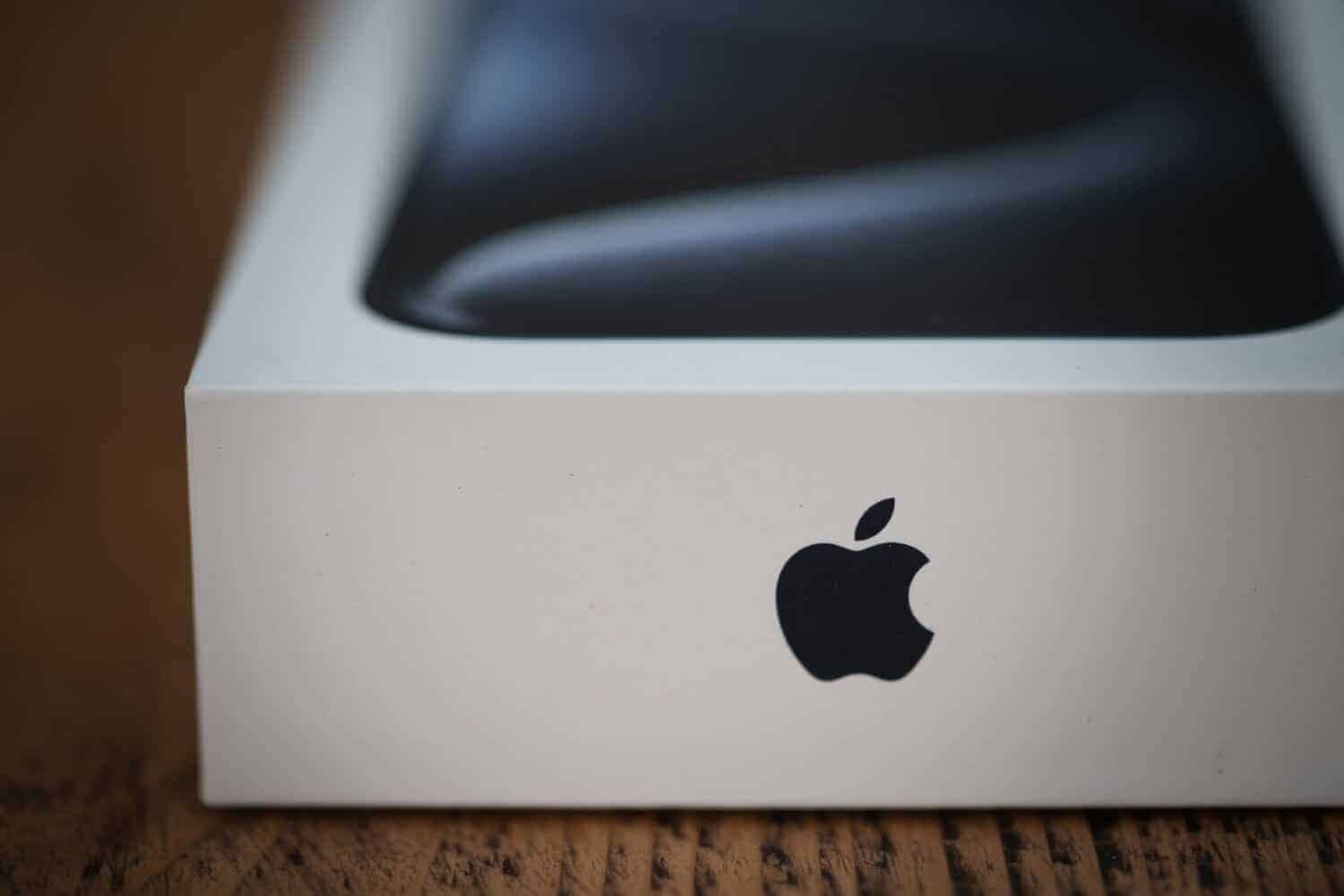
Global technology giant Apple has turned to the Johannesburg High Court in a bid to stop a local company from trading in what it alleges are counterfeit iPhones and packaging.
Visit newsbetting.club for more information.
The high-end products were seized at OR Tambo International Airport in March.
Fake iPhones
In its application, Apple has asked the court to declare the products counterfeit, prevent the company from dealing in them, and compel disclosure of their origin and the network behind them.
According to Apple’s particulars of claim, South African Revenue Service (SARS) officials detained the consignment on 17 March and formally seized it on 27 July.
The goods included mobile phones and packaging bearing Apple and iPhone trademarks. Apple refers to them in its filings as the “offending goods.”
Not by Apple
The Cupertino company said the products were not manufactured by Apple or with its authority.
“From a date unknown to Apple, HHHH Tradings imported mobile phones, including packaging for mobile phones, into South Africa for the purposes of trade bearing one or more of Apple’s trademarks and/or marks confusingly similar thereto … but which had not been manufactured by or with the authority of Apple,” the company stated in its court papers.
Fordsburg
A company search shows that HHHH Tradings has two listed directors, Fatima Toheed and Muhammad Toheed, and that it operates from Fordsburg, Johannesburg, according to the Sunday Times.
Apple’s legal action seeks disclosure of documents relating to how the products were imported, manufactured, distributed or sold. It is also asking for an inquiry into damages or, alternatively, a reasonable royalty.
Samples
Spoor & Fisher legal expert Michael Lamont explained the process.
“Where the samples are confirmed to be counterfeit, in terms of the Counterfeit Goods Act, customs requires that the IP rights‑holder provide confirmation of the counterfeit nature of the samples in the form of an affidavit of complaint.”
Counterfeit goods
South Africa’s economy is hard hit by counterfeit goods. Former SARS commissioner Edward Kieswetter told parliament earlier this year that the illicit economy could be worth between R800‑billion and R1.2‑trillion, costing the fiscus up to R300‑billion in lost taxes annually.
Apple’s case forms part of wider efforts to clamp down on counterfeit electronics, both locally and internationally.
Smartphones
In October last year, the South African Police Service (Saps) seized illegally imported smartphones, mainly Apple iPhones, Samsung gadgets, and mobile phone accessories valued at more than R17 million.
Officers also seized two-way radios, IMEI and ICASA labels during a takedown operation conducted in Fordsburg.
This is not the first time police have seized fake Apple products.
Hawks raid
After a tip-off from tech giant Apple, in August, the Hawks raided a store in the Eastern Cape and arrested a 33-year-old Indian national with counterfeit Apple merchandise with an estimated value of R60 000.
Hawks spokesperson Lieutenant Colonel Avele Fumba said the action follows a detailed investigation sparked by a complaint from Apple, the global technology company based in Cupertino, California in the US.
Apple had raised concerns after counterfeit iPhone merchandise was suspected of being sold at a local outlet of a company in Summerstrand Village, Gqeberha.