When bail and parole put communities at risk again
· Citizen
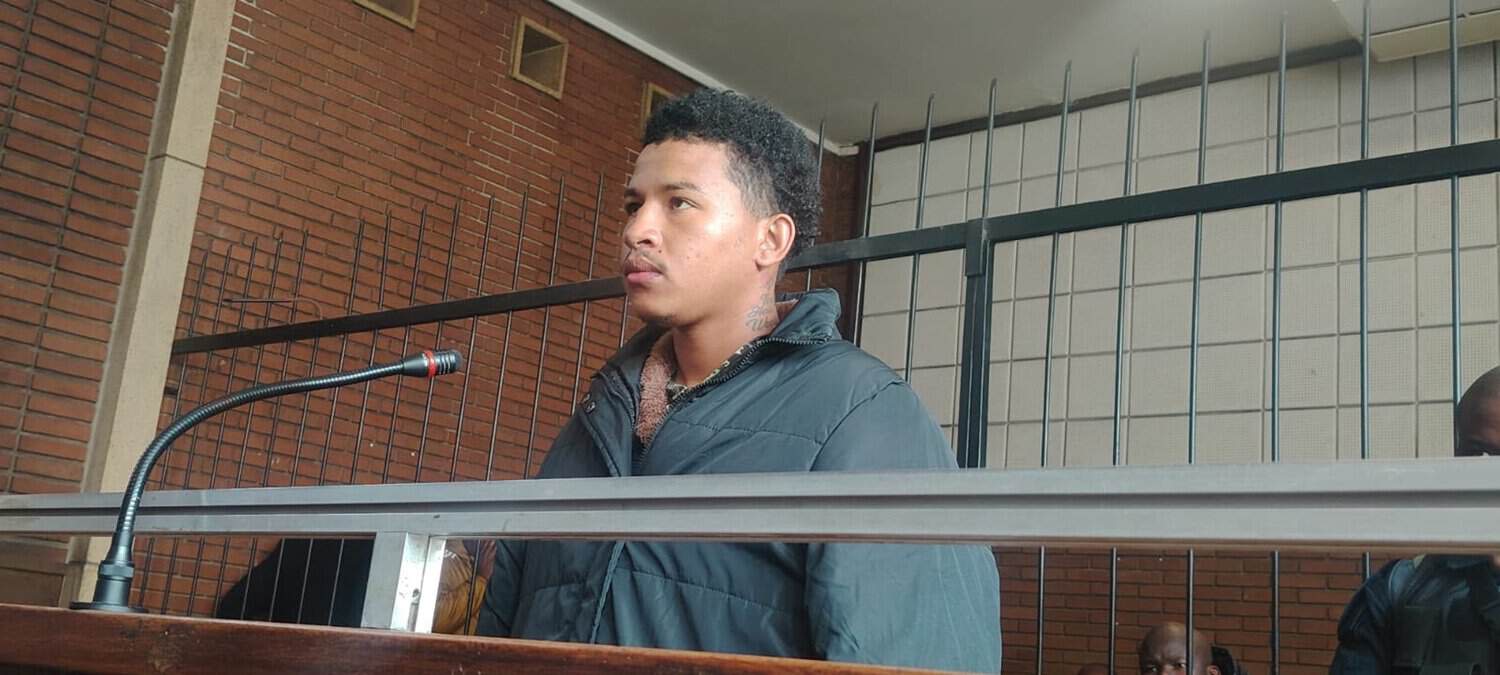
When people released on bail or parole are accused of mass shootings and murders, government must be prepared to interrogate its own processes.
How does a country battling crime and murder cases continue to create opportunities for offenders to return to communities where victims remain vulnerable?
Visit librea.one for more information.
The shooting at Reiger Park on the East Rand is another painful reminder that communities living under the shadow of violent crime cannot afford a justice system that becomes most visible only after lives have been lost.
The identification of the accused and recovery of stolen firearms are important developments and the investigators deserve praise.
Yet, residents have also raised concerns about the handling of serious criminal matters, including bail. These concerns cannot simply be dismissed as the frustrations of communities accustomed to gangsterism.
How many more shootings, murders and shattered families must occur before serious preventative work is done? A community should never become so accustomed to violence that tragedy is treated as an inevitable feature of daily life.
There is another, perhaps more frightening, consequence that we seldom discuss: the children watching all of this unfold. What happens to a child who grows up believing that gunfire, gangs and fear are part of the neighbourhood?
Parents must ultimately be held accountable for the values, discipline and guidance they provide their children. But accountability cannot stop at the front door.
The justice system must answer equally difficult questions about the offenders and repeat offenders it releases back into our communities.
Where bail or parole is granted, the public deserves confidence that proper risk assessments, conditions and monitoring mechanisms are in place.
Reintegration should never mean simply returning a potentially dangerous individual to the same environment without meaningful safeguards.
If the system is entrusted with deciding who may return to society, then it must also accept responsibility when those decisions place communities at risk.
What communities need is not permanent punishment, but sufficient time and meaningful protection to rebuild neighbourhoods that have been fractured by violence.
When offenders return, they should encounter communities that have changed – and a clear expectation that rehabilitation means leaving destructive ways behind.