Where’s the honour, Juju?
· Citizen
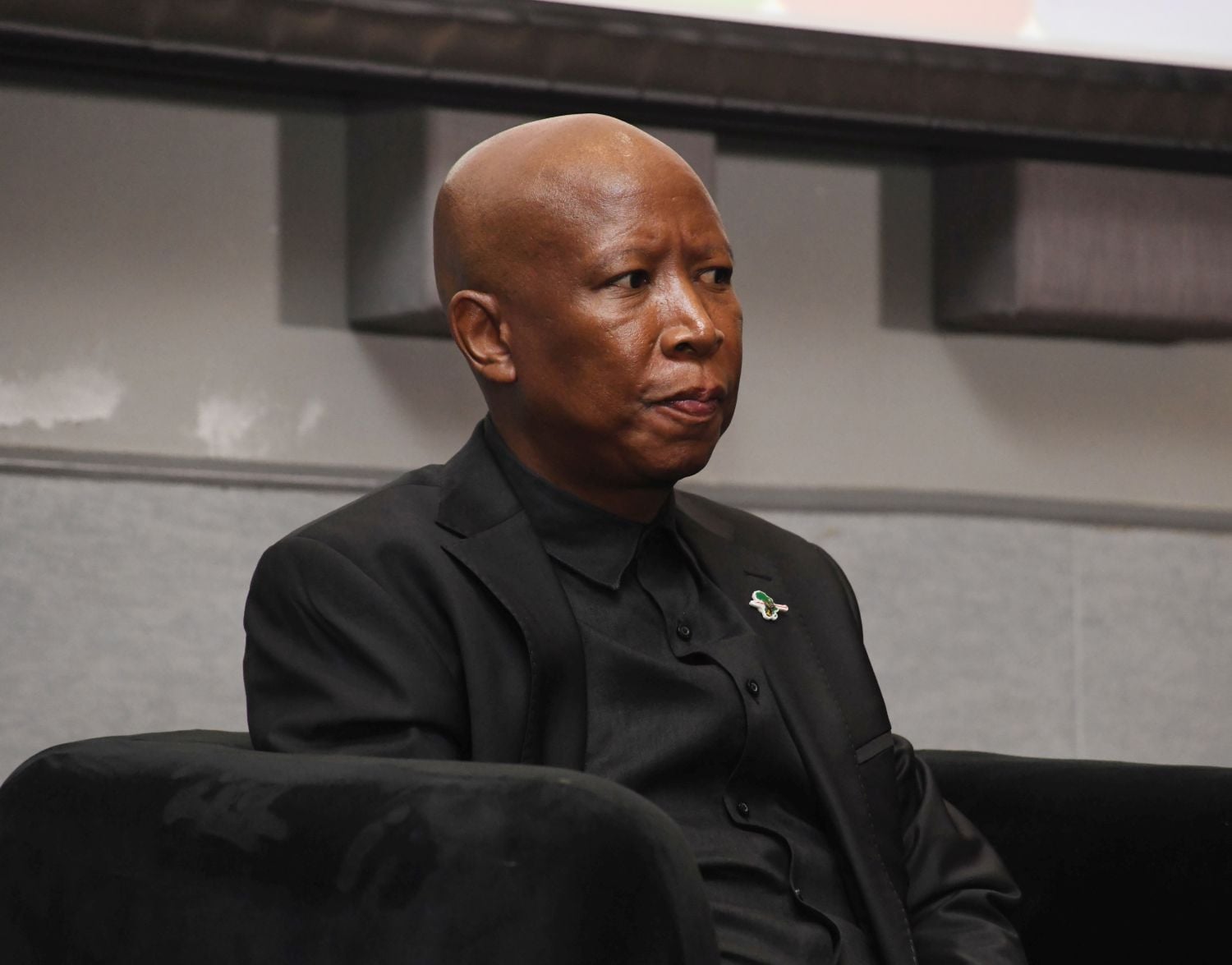
Historically, the British Parliament introduced the use of “honourable member” for how members of Parliament must address each other, partly to keep debates from descending into personal attacks, but also to ensure the focus stays on the issues at hand.
Visit mwafrika.life for more information.
Ultimately, parliament is meant to represent citizens, and the representatives they elect deserve to be given as fair a chance to present their views as any other member of parliament, despite what others may think of them.
A person might be a racist or white supremacist, as EFF leader Julius Malema thinks of the ANC’s Cameron Dugmore.
Malema goes on attack
Still, parliamentary rules dictate that he addresses him as an honourable member. Which is why Dugmore insisted Malema desist from addressing minister in the Presidency Khumbudzo Ntshavheni by her first name.
That’s why Malema went on the attack. All this happened in the impeachment committee that is set to probe whether President Cyril Ramaphosa is still fit to hold office, following how he dealt with the theft of dollars concealed in couches on his farm, Phala Phala.
The exchange between Malema and Dugmore has no place in a parliament that respects itself, and if Chair Makashule Gana were well-versed in the reasons for the use of the term ” honourable member, he would have put the EFF member in his place.
The use of parliament for personal attacks
But parliament lately can easily stray from its mandated mission into the realm of personal attacks, or even heap undue personal praise on people appearing before it.
It was the same Malema who uttered the words: “I thought Winnie Mandela died, Winnie Mandela has multiplied” when singing praises of then Independent Directorate Against Corruption’s (Idac) head Andrea Johnson when she appeared before parliament’s ad hoc committee investigating General Nhlanhla Mkhwanazi’s allegations of criminal influence and corruption in the criminal justice system.
Instead of interrogating Johnson thoroughly, Malema and others in the committee lent a sympathetic ear to Johnson.
Malema should apologise
It now turns out that Johnson is so far removed from the image and credibility of Winnie Mandela that, if Malema were really genuine in his respect for her, he would have immediately apologised for even mentioning Johnson and Winnie in the same sentence, following her disastrous and embarrassing appearance at the Madlanga commission investigating the same issues as the parliamentary committee.
Malema has tried to explain his poor judgment of character away, claiming that at the time he made the comparison, he didn’t have access to the same information that the Madlanga commission has.
But surely parliamentarians are at an advantage? Compared to ordinary citizens, he should have had some evidence of how brilliant she is before trying to tell the country she is a virtuous leader.
Some parliamentary committee work hard
Malema is not all that is wrong with parliament.
The DA’s Glynnis Breytenbach, who knows the ins and outs at the National Prosecuting Authority, of which Idac is part, had no probing questions for Johnson at all, except to sympathise with her over alleged threats to harm her.
There is good work carried out in parliament; there are committees that do not make it into the limelight but work hard, but the gaffes of those in the spotlight are not doing them any favours.