The legend of Cape Verde: How an island of half a million built the best team at the World Cup
· Fortune
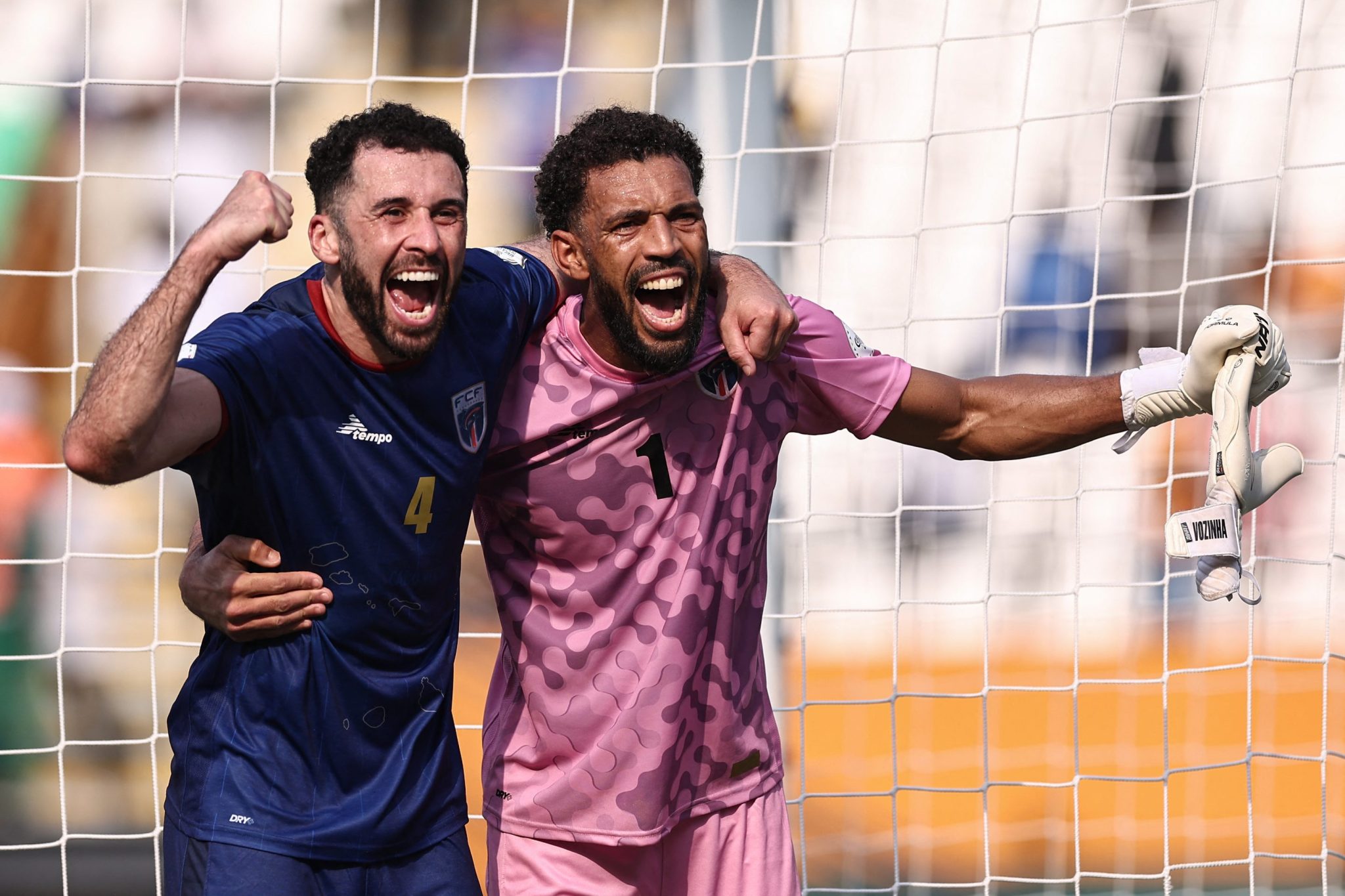
On June 29, two of the most decorated programs in soccer history packed their bags and went home. Germany, a four-time world champion, lost a penalty shootout to Paraguay after a 1-1 draw, missing three spot kicks. Hours later, the Netherlands, a three-time finalist ranked seventh in the world, fell the same way, to Morocco. Both were eliminated in the round of 32, the very first knockout round of the expanded tournament. These were, by all accounts, colossal disappointments.
Visit afnews.co.za for more information.
But look at who was still standing. Cape Verde, an island nation of roughly 525,000 people appearing in its first World Cup, had already held former champions Spain and Uruguay to draws, finishing second in its group, unbeaten. They would go on to heroically push defending champion Argentina, the reigning World Cup Champions, to extra time before losing 3-2. Their journey is now over, but their story still deserves to be told.
Cape Verde’s squad was drawn largely from solid professionals scattered across the top flights of smaller and mid-ranking European and Middle Eastern leagues—Portugal, Cyprus, Turkey, Bulgaria and beyond. There were no global superstars, and only a couple of players at genuinely elite clubs like Benfica and Villarreal; most plied their trade well outside football’s spotlight. So, the obvious question is the interesting one. How did a nation of half a million people, with almost no football pedigree, go toe-to-toe with the sport’s aristocracy—outshining decorated giants and taking the reigning champions to the brink?
The answer is not luck, and it is not a flaw in the bracket. It is collective confidence, the shared belief that a group can achieve greatness together. Psychologist Albert Bandura called the underlying force collective efficacy; research bears it out: teams that believe in their joint capacity set bolder goals, absorb setbacks, and beat more talented groups whose belief runs thinner. Talent sets your ceiling. Collective confidence decides how close you get to it. Here is the part most leaders miss. Belief is not the residue of winning; it is built, on purpose, long before kick-off.
Cape Verde’s run is a field manual for any team leader. The lessons are profound and the actions simple and high impact. Here is what you can do to build the kind of collective belief that propelled Cape Verde past the soccer elite.
Scout where the giants won’t. Cape Verde could not outbid anyone, so it searched where richer nations never bothered to look. In 2018 the federation cold-messaged a Dublin bank worker named Roberto Lopes on LinkedIn, a part-time defender with Cape Verdean roots. He ignored it as spam, then reconsidered. In 2026, he anchored the back line that held Spain scoreless. The move is not the gimmick. It is the discipline of fishing where no one else is casting. Put every kind of genius to work, especially the kind your rivals overlook.
Set a win they can bank this week. Cape Verde never once talked about beating the juggernauts of soccer. Instead, it chose targets it could actually reach: hold their opponent scoreless in the first 15 minutes, score a goal, get a point, get out of the group. Hitting each one made the next feel ordinary instead of impossible. That is the real engine of belief, a chain of small, achievable wins that compound. When the goal looks too big to move, shrink it until your team can win now, then let momentum do the rest.
Protect the lightness like it’s core strategy. Under pressure, most teams clench. Cape Verde loosened. Coach Bubista kept music and jokes in the dressing room and built in real recovery time, treating a calm and ease as preparation rather productivity loss. “We know our quality and we know what we’re doing,” midfielder Kevin Pina said before facing former world champions. “My heart is at peace.” Calm is not the opposite of intensity. It is what lets a team play brave. Guard downtime and levity like the performance tools they are.
Give the crowd a stake, not just a seat. Cape Verde did not perform for its fans. It made them part of the team. The squad was drawn from the same global diaspora that filled the stands in Atlanta and Houston, so the crowd arrived with ownership rather than distance, and pressure turned into fuel. Hand the people around your work a genuine stake in the result, and their energy starts to push you forward instead of holding you back or weighing you down.
Make the system the star. Bubista refused to lean on one or two names. No stars here. He built a disciplined collective where every player owned a piece of the plan, so no one waited to be rescued, and no individual bad night sank the group. So, make everyone the boss of something. Shared responsibility becomes shared belief. It is also the most durable edge a team without stars can build.
The story of Cape Verde is the argument of my book, Collective Confidence: The Winning Formula of the World’s Best Teams. Confidence is curated, through who you choose, the wins you engineer, and the culture you protect. Cape Verde carried less talent than nearly everyone it faced and more belief than almost anyone, all the way to a 3-2 extra-time thriller with defending champion Argentina, as the smallest nation ever to reach a World Cup knockout round. Your team may never play Argentina. But these are the tools that turn an ordinary team into one that can be truly extraordinary.
The opinions expressed in Fortune.com commentary pieces are solely the views of their authors and do not necessarily reflect the opinions and beliefs of Fortune.
This story was originally featured on Fortune.com