Why World Cup Ticket Prices Are So High
· Time
There’s the viral ad from Canadian carrier Air Transat, showing how much cheaper it is to fly to some countries than attend their soccer games at the World Cup. “Watch England, tickets at $3,402. See England, round-trip tickets starting at $779.” Then there are the eye-popping asking prices on the World Cup secondary market. In mid-May, on FIFA’s resale platform, the cheapest ticket for the July 19 World Cup final at MetLife Stadium outside New York City was going for $9,200. The richest asking price: $11,499,998.55 (good luck shedding that one, pal). And don’t forget the brouhaha over train fare. NJ Transit announced in April that it would charge fans $150 to get from Penn Station to MetLife on game days, a round trip that typically costs around $13. In May, the agency cut the price to $98.
Visit extonnews.click for more information.
The weeks leading up to the World Cup usually drive attention to the stars competing in the most popular sporting event on the globe. And while the likes of Lionel Messi, Cristiano Ronaldo, Kylian Mbappé, and Christian Pulisic will earn their share of headlines, they’re taking a backseat to the dollars. The 2026 World Cup, co-hosted by the U.S., Canada, and Mexico, is costing a small fortune for both spectators and local governments tasked with welcoming international soccer fans to their doorsteps. “Football Unites the World,” FIFA is fond of boasting. But this year’s tournament risks bringing together fans of a certain tax bracket while pricing out some of the game’s most passionate supporters.
FIFA has embraced the sort of dynamic pricing customers find when shopping for airline tickets. Costs fluctuate in real time based on demand. In May, for example, it was charging, at face value, $1,940 for an upper-tier seat to the opener for the U.S. men’s national team, a game against Paraguay at SoFi Stadium in Inglewood, Calif., on June 12. And FIFA’s own resale site charges both buyer and seller an additional 15%, increasing the soccer body’s haul as seats change hands. “There’s some element of greed there,” says Kate Ashley, a professor at Northeastern University’s D’Amore-McKim School of Business. One Europe-based soccer fan group has called FIFA’s strategy a “monumental betrayal.” To justify this model, FIFA president Gianni Infantino has pointed to the robust U.S. resale market: since tickets are likely to sell above face value on a secondary platform, the organization is trying to match those numbers in initial sale price as much as possible.
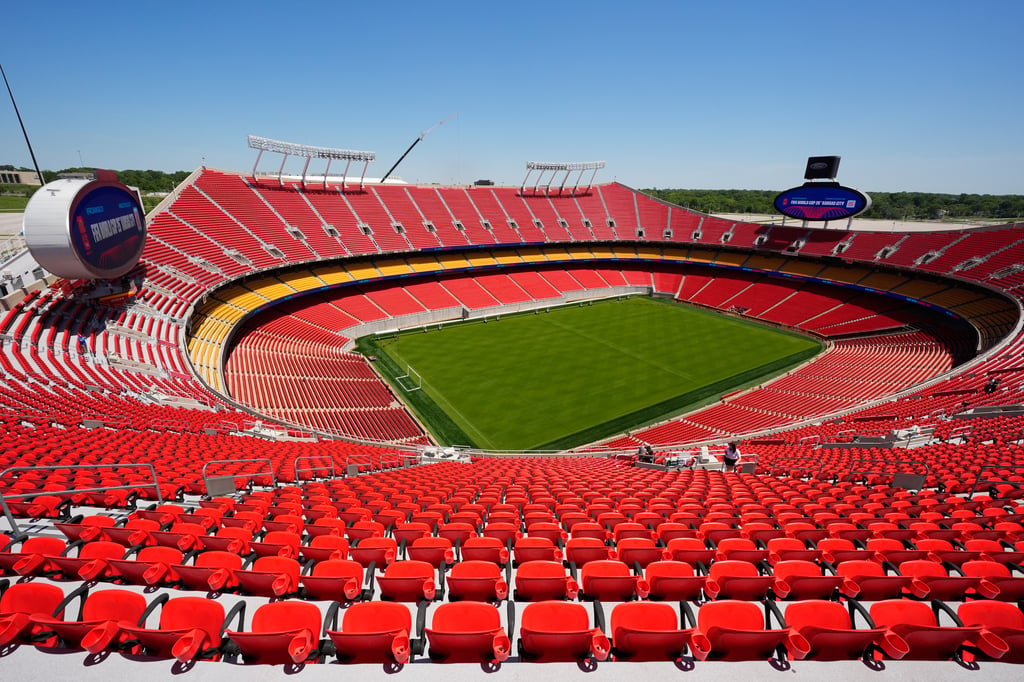
FIFA’s approach could backfire. Plenty of tickets remain unsold—-anyone up for $1,300 front-level tickets for the Haiti-Scotland group-stage matchup in Foxboro, Mass., on June 13? Plus, sticker shock may be deterring travelers from making the trip. According to a report from the American Hotel & Lodging Association released in early May, close to 80% of survey respondents across U.S. host cities said that bookings are tracking below initial expectations. “Forecasts show that domestic travelers are outpacing international travelers,” the report concluded, which is concerning for metro areas betting on an economic boost. Overseas soccer fans who wouldn’t normally be flocking to, say, Kansas City—which is hosting a half-dozen matches—in June or July are much more valuable to a local economy than an existing resident. International visitors spend money in hotels, restaurants, and shops that would not otherwise be spent. Locals who buy pregame beers and burgers in the vicinity of the stadium may just be substituting for beers and burgers they’d otherwise purchase elsewhere in the area.
A VIP-heavy crowd can also dampen the crazed atmosphere that makes international soccer special. People expecting chants and songs ringing throughout a stadium may leave a game feeling quite disappointed. “We could see corporatization of a sporting space,” says Mark DiDonato, professor at Florida State’s department of sport management.
Thankfully, fans can still hack this pricey World Cup. Over the 30-day period prior to May 19, secondary-market prices dropped more than 20%, on average, for group-stage matches, according to Ticketdata.com. You could keep waiting it out for even better deals. Host cities are also staging free fan fests and watch parties at places like the USTA Billie Jean King National Tennis Center in New York City and Centennial Olympic Park in Atlanta. “It’s great to be inside the stadium at a match,” says Lee Igel, a professor at NYU’s Tisch Institute for Global Sport. “Sometimes it’s equally great to be outside of the stadium, or further away from the stadium, and just be around people who are enjoying themselves around this sport, and who are there as a part of a community.” Like at the pub, that classic World Cup locale, sharing an experience with other rabid supporters in front of a big screen. Ten-buck pitchers instead of $2,000 seats? There have been far worse backup plans.