Neighborhood watch programs are fading in the age of Ring and Nextdoor
· Axios
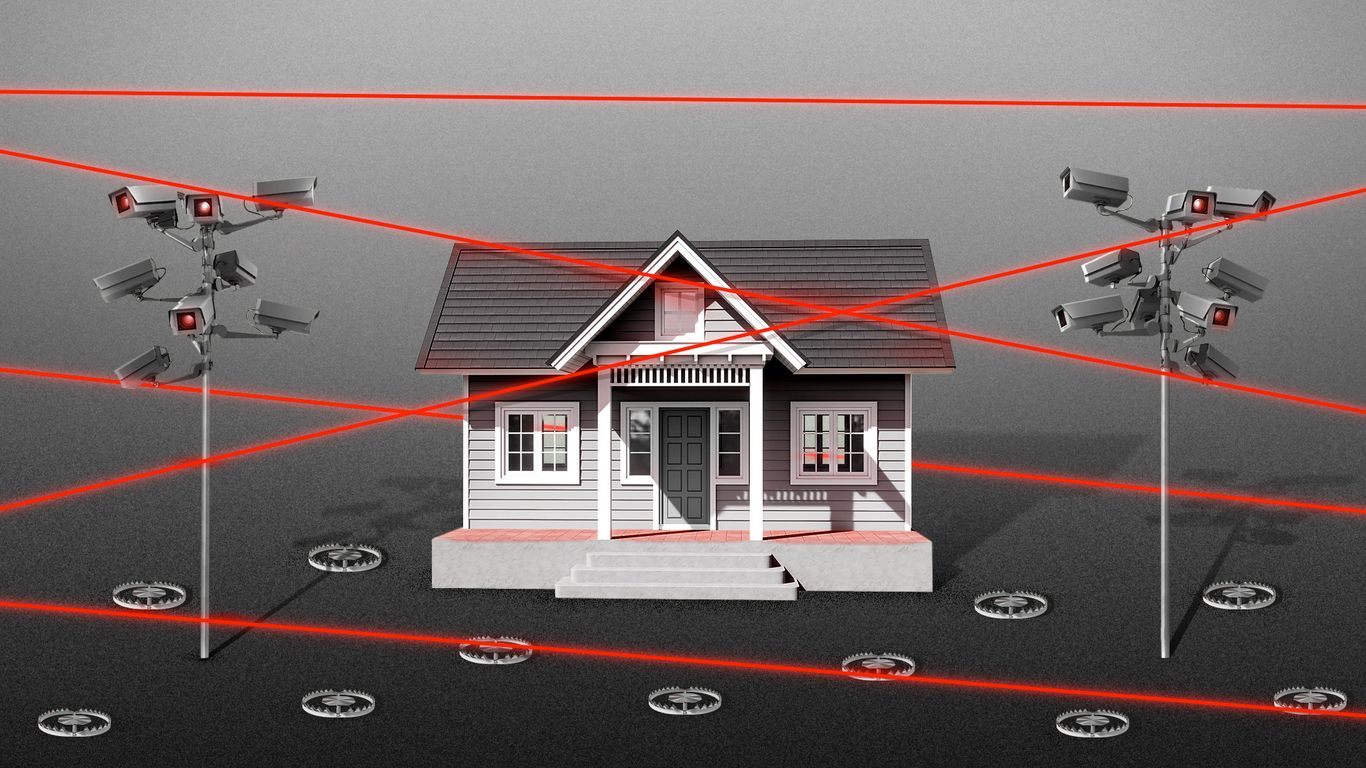
America's classic neighborhood watch programs are fading as AI-powered apps turn neighborhoods into digital watch zones.
Why it matters: The automation of neighborhood safety with tools like Amazon's Ring and the Nextdoor app is quietly dismantling one of the country's most basic forms of civic life: neighbors who actually know each other.
Visit afnews.co.za for more information.
- What's replacing it is faster, smarter — and far more detached.
- Shared videos of "suspicious" strangers and wildlife alerts are in; out are block captains, porch meetings and "See Something, Say Something" signs.
Zoom in: Ring doorbells stream constant footage, allowing users to post it all on an app as alerts.
- Nextdoor posts flag "suspicious" strangers and lets users shame dog walkers who don't pick up poop.
- License plate readers are cropping up in thousands of communities, alarming privacy advocates.
Meanwhile, as surveillance technology spreads, neighborhood watch programs are being dismantled.
- Ann Arbor, Michigan removed more than 600 neighborhood watch signs this year after officials said they encouraged racial profiling and made some residents feel unwelcome.
- The decline has been quieter in other places. Law enforcement officials say many programs simply fade as volunteer participation dries up and younger residents opt out.
What they're saying: Scant data exists on the programs' demise, but National Sheriffs' Association executive director Justin Smith tells Axios the drop is real, as neighbors switch from actively watching out for each other to watching screens.
- "We actually lose communication, and we lose that sense of community," Mary Dodge, professor of criminal justice at the University of Colorado Denver School of Public Affairs, tells Axios.
- Neighborhood watch once depended on what researchers call "collective efficacy" — people knowing each other well enough to act together. Now, Dodge said, people don't need to know their neighbors at all.
Zoom out: The decline of the neighborhood watch comes as Americans spend more time at home, even as they become strangers to their neighbors.
- In 2012, 51% of young Americans regularly engaged with neighbors, according to an AEI report reviewed by Axios' Josephine Walker. That number has plummeted to 25% today.
- By contrast, 56% of seniors socialize with neighbors, a seven-point drop since 2012.
Flashback: Neighborhood watch programs emerged in the late 1960s as part of a push toward community policing — the idea that crime prevention depends on residents working with police.
- The National Sheriffs' Association formalized the program in 1972, and it spread nationwide as a low-cost way to deter crime.
Yes, but: The new system is better at catching crime — and worse at building trust.
- Smith said law enforcement can gather all the data collected by apps and analyze it by using AI to crack cases that used to take months, if not years, to solve.
- At the same time, law enforcement is losing its human intelligence on the ground.
Friction point: The old neighborhood watch had its own problems, like racial profiling and suspicion of outsiders. The new version hasn't solved that, and may have scaled it.
- "I saw a person of color walking through my neighborhood, and I don't like it. That is not reliable information," said Dodge, who has studied Nextdoor.
- Apps like Nextdoor often amplify those kinds of posts, mixing legitimate safety concerns with bias, misinformation and, at times, outright hostility, she said.
- Nextdoor did not immediately respond to Axios.
The bottom line: In the past, solving a neighborhood crime meant talking to the person on the porch. Now it means pulling footage, scanning data — and letting AI connect the dots.