Why cutting salt could give you deeper sleep and better energy in just days
· Citizen
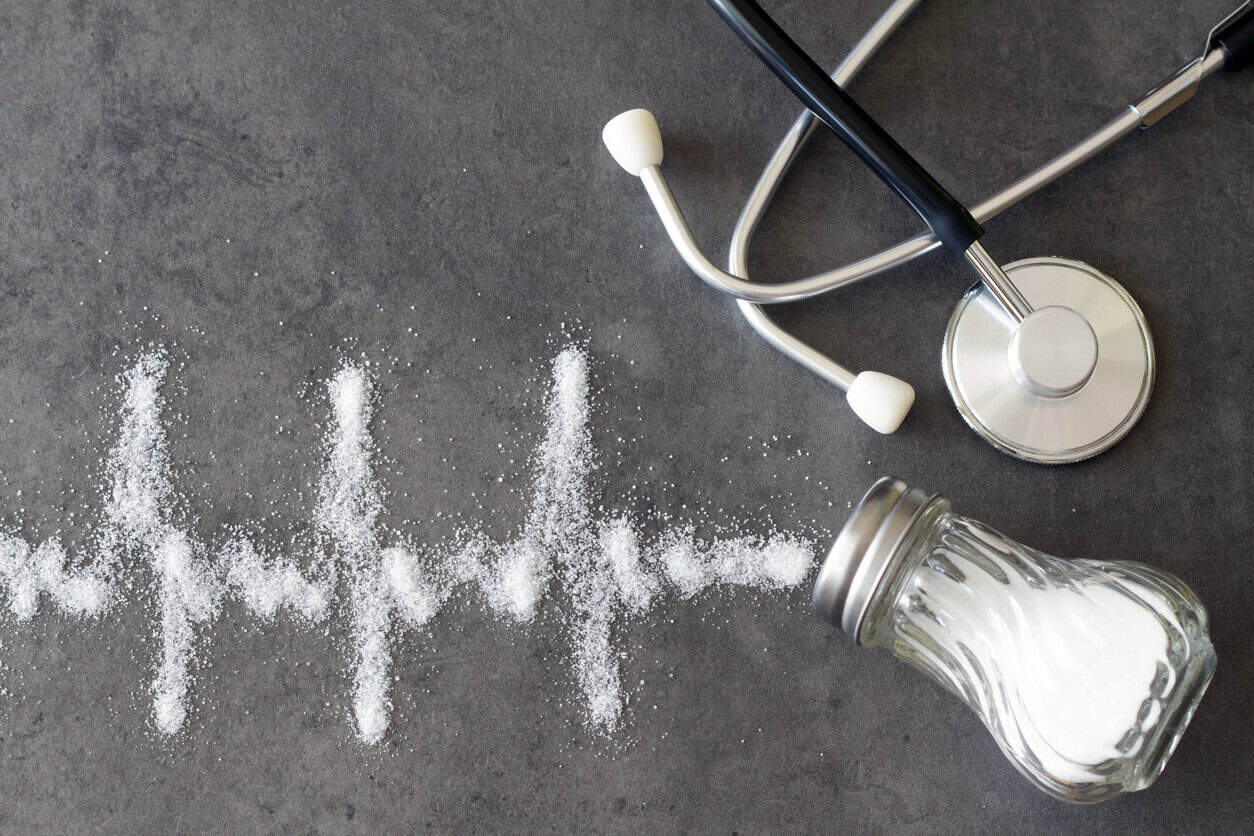
Most South Africans know that salt isn’t great for them. But knowing and acting are worlds apart – and most of us have little idea how much we’re actually consuming, or what it’s quietly doing to our bodies in the meantime.
Visit umafrika.club for more information.
The World Health Organisation recommends no more than five grams of salt per day, yet the majority of South Africans still consume well above that threshold. The risk, as we’ve known for years, isn’t just in the saltshaker. It’s in the everyday foods we trust and the habits we haven’t done much to change.
It reaches further than your heart
When people think about the dangers of excess salt, cardiovascular disease tends to dominate the conversation. But the effects of chronically high sodium intake extend well beyond the heart. Over time, high salt consumption can be linked to kidney function decline, reduced bone density, and an increased risk of stomach cancer. All conditions that develop slowly, silently, and without warning.
Perhaps more surprisingly, the consequences can show up the very same night you overdo it.
A high-sodium meal can disrupt your sleep before any long-term damage is done. Fluid retention shifts to the upper airways when you lie down, raising the risk of sleep apnoea, while elevated blood pressure can bring on headaches and chest tension that fragment rest.
One disrupted night affects mood, energy levels, and the food choices made the following morning, often pulling people toward the very habits that continue the cycle.
Registered dietician Danielle (Oldfield) Venter says the impact is more immediate than most people appreciate.
“Most people think hidden salt is a future risk. It’s actually a daily one, and the fastest nutrition wins are often the quietest ones, like reducing hidden salt. Better energy doesn’t start with a major overhaul. It starts with noticing what’s quietly working against you every day.”
Those who do reduce their sodium intake often report noticing a shift within days: deeper sleep, steadier energy, and fewer afternoon cravings by around day three.
Legislation has helped – but only so far
Progress is being made at a policy level. South Africa’s salt reduction legislation, which set limits on sodium in processed foods, has had a measurable effect.
Research published in the South African Journal of Clinical Nutrition found that salt intake among young South Africans dropped by approximately 1.2 grams per day following its introduction, and this is a meaningful public health gain.
But legislation only goes so far. It doesn’t account for the salt added during cooking or at the table, and the gap between processed-food reformulation and actual daily intake remains significant. The processed food supply is cleaner; South African plates, not yet.
Small changes, real results
That gap is precisely where individual choices become paramount. And you don’t need a complete dietary overhaul to do what’s necessary. Small, consistent changes in what you eat and how you monitor it can meaningfully reduce blood pressure and long-term risk across multiple conditions.
Practical starting points include reading nutrition labels, choosing lower-sodium alternatives, replacing salt in cooking with herbs and spices, and keeping tabs on key health indicators.
Blood pressure, cholesterol, and kidney function don’t announce themselves, which makes regular monitoring essential.
Maria Carpenter, Head of Momentum Multiply, says the shift from awareness to lasting habit depends on recognition as much as information.
“Every time you make a choice – reading that label, swapping salt for herbs, checking your blood pressure – you’re not just protecting your future. You’re building momentum. And when that momentum is recognised and rewarded, behaviour shifts from effort into habit. That’s when lasting change begins.”
Tracking health indicators through regular check-ins and health assessments makes the invisible visible. And that visibility, more than any single dietary change, is what sustains the shift over time.