70 pupils per teacher: Gauteng’s classroom overcrowding crisis deepens
· Citizen
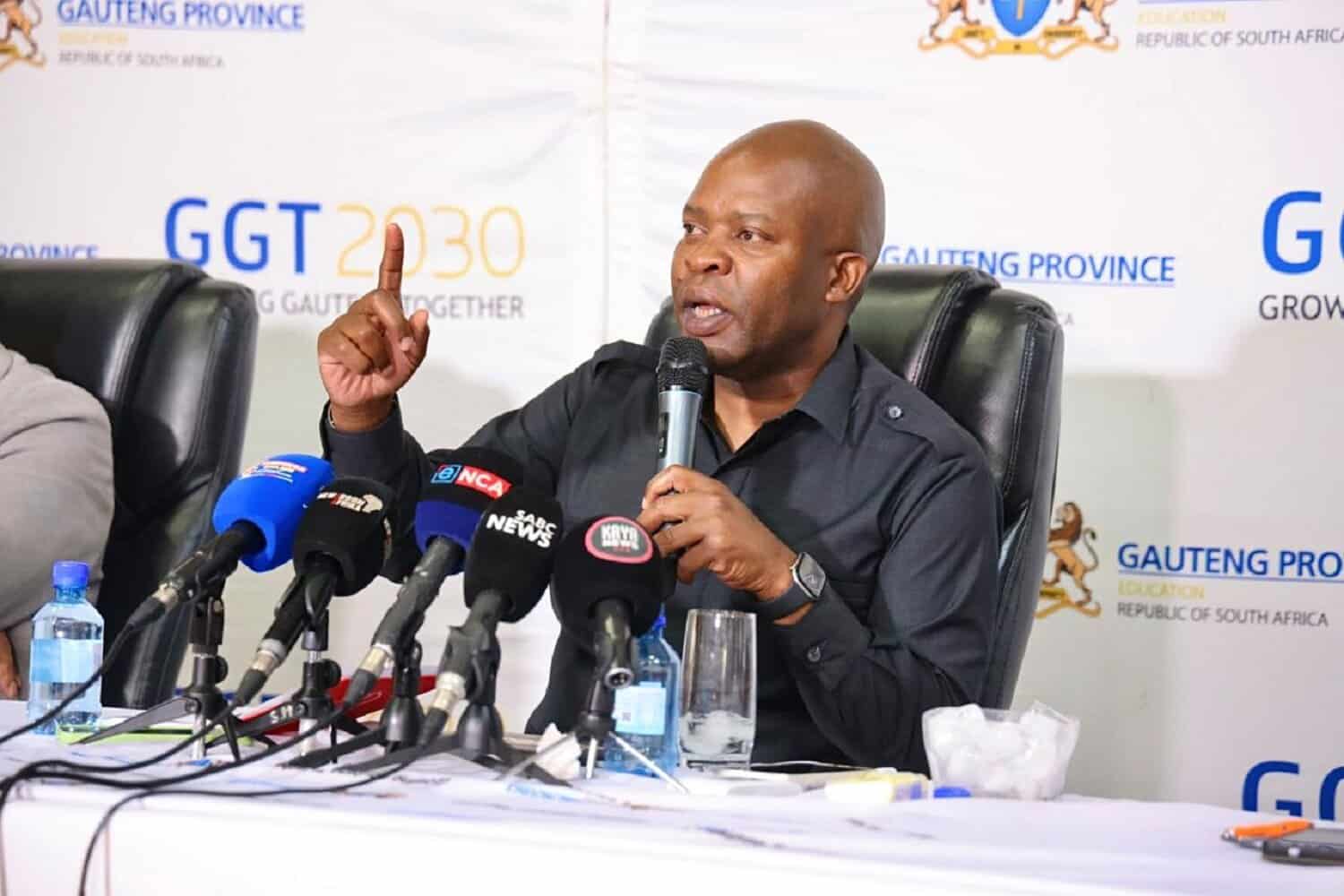
Gauteng’s public education system is buckling under severe overcrowding, with some classrooms now accommodating up to 70 pupils per teacher, according to the provincial education department.
Visit turconews.click for more information.
This emerged on Sunday as the newly appointed MEC for Education, Lebogang Maile, briefed the media on the state of education and its 2025/2030 strategic plan.
The department warned that rapid population growth and migration into the province are pushing schools beyond capacity, straining resources and undermining teaching quality.
Overcrowding crisis worsens
The Gauteng Department of Education (GDE) said enrolment has surged dramatically over the past three decades, more than doubling from 1.4 million pupils in 1995 to more than 2.8 million in 2026.
However, infrastructure development has failed to keep pace.
“The result is severe overcrowding, often 60 to 70 pupils per teacher in township and inner-city schools. This reduces instructional quality and strains sanitation and facilities,” the department said.
An estimated 723 schools in the province are affected by overcrowding, with a shortage of about 5 554 classrooms across primary and secondary schools.
Despite efforts to build new schools, only 48 were constructed or refurbished between 2015 and 2024, far below demand.
Migration driving demand
The department attributed the crisis largely to rapid in-migration into Gauteng, which continues to add about 50 000 pupils to the system each year.
This influx has left “tens of thousands of pupils without confirmed placement at the start of the year”, further compounding pressure on already stretched schools.
Officials estimate the province needs at least 200 new schools to stabilise the system.
Budget constraints and teacher shortages
While education funding has increased significantly over the years, the department said financial constraints remain a major hurdle.
“Education resourcing in Gauteng is under strain due to rapid enrolment growth, infrastructure backlogs, and fiscal constraints,” it said.
A rising wage bill for teachers consumes a large portion of the budget, leaving limited funds for infrastructure, maintenance and learning materials.
The province also faces a shortage of teachers, particularly in critical subjects such as mathematics, science and technology. An estimated 1 173 additional teaching posts are needed in the short- to medium-term, at a cost of about R606 million.
Large class sizes are taking a toll on both pupils and teachers.
“Large classes, often comprising over 50 pupils, contribute to burnout and limit individual attention,” the department said.
Overcrowding also worsens existing challenges, such as poor literacy and numeracy outcomes. National assessments show that a majority of pupils struggle with basic reading and comprehension skills, a problem exacerbated in packed classrooms where individual support is limited.
Plans to address the crisis
The department’s 2025/2030 strategic plan aims to tackle these challenges through infrastructure development, improved teacher support, and curriculum interventions.
It includes strategies focused on language and mathematics, science and technology, and expanding technical schools to better prepare pupils for the job market.
However, the department acknowledged that it cannot solve the crisis alone.
“We are committed to improving the quality of teaching and learning in Gauteng, but we recognise that as the provincial government, we cannot achieve this on our own,” it said.